For many facility managers, painting season is something they associate with warm, dry weather. Spring and summer are busy with exterior projects, parking lot striping, and outdoor maintenance. When the temperatures begin to drop, it is easy to assume that painting projects should wait until next year.
In reality, the colder months can be one of the best times to focus on the inside of your facility. Interior walls, ceilings, production areas, offices, and corridors are not affected by rain, wind, or freezing temperatures the way exterior surfaces are. With the right planning, interior painting can move forward throughout fall and winter while outdoor work is on hold.
The end of the year is also a natural time to refresh the facility before a new year begins. Here is why fall and winter are an ideal window for industrial interior painting, and how to make the most of it.
Exterior painting depends on temperature, humidity, and dry conditions. Once winter arrives in Maryland, many outdoor projects become difficult or impossible to complete properly.
Interior projects are different. In heated buildings, temperature and humidity can be managed to stay within the requirements of the coating system. This allows the crew to follow a consistent schedule without waiting for a break in the weather.
For unheated warehouses or storage areas, temporary heating may be needed to keep surfaces and air temperatures within the product's recommended range. The contractor should review these conditions before the project begins.
Many industrial and commercial facilities experience slower production periods or planned shutdowns around the holidays and the end of the year.
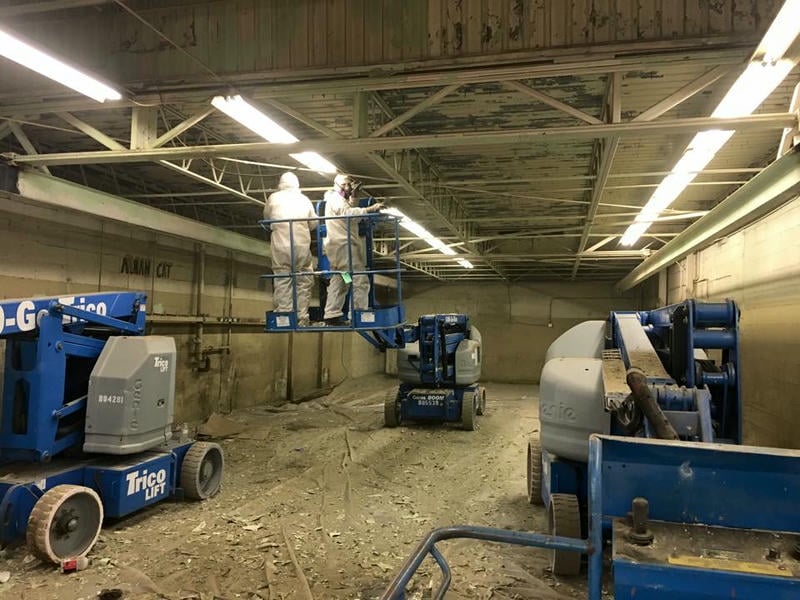
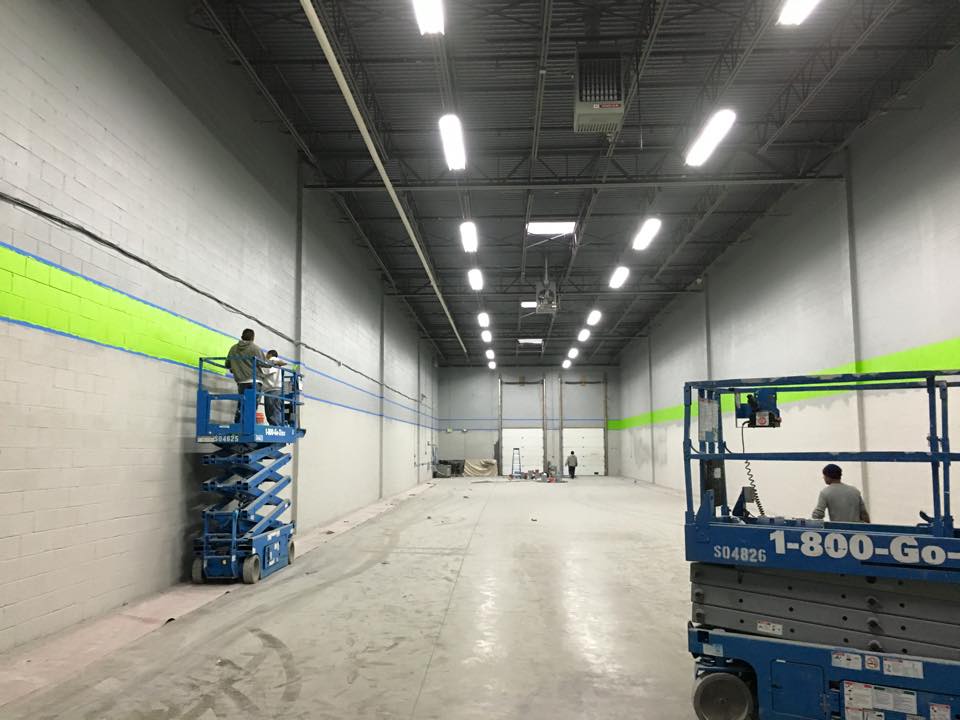
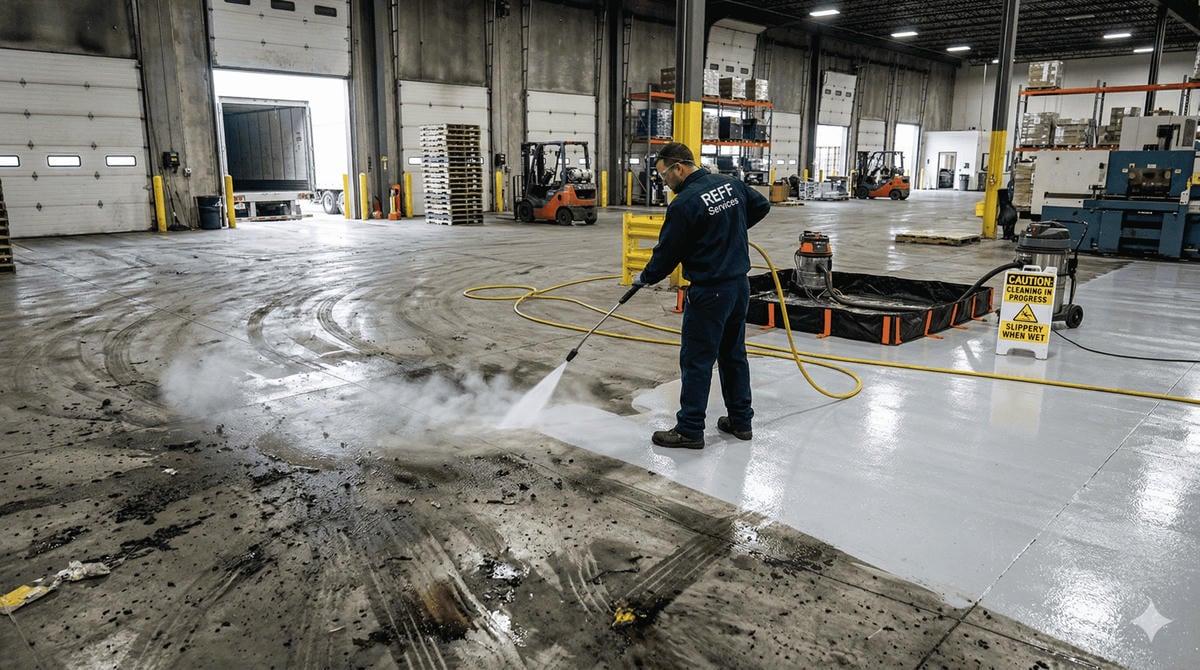
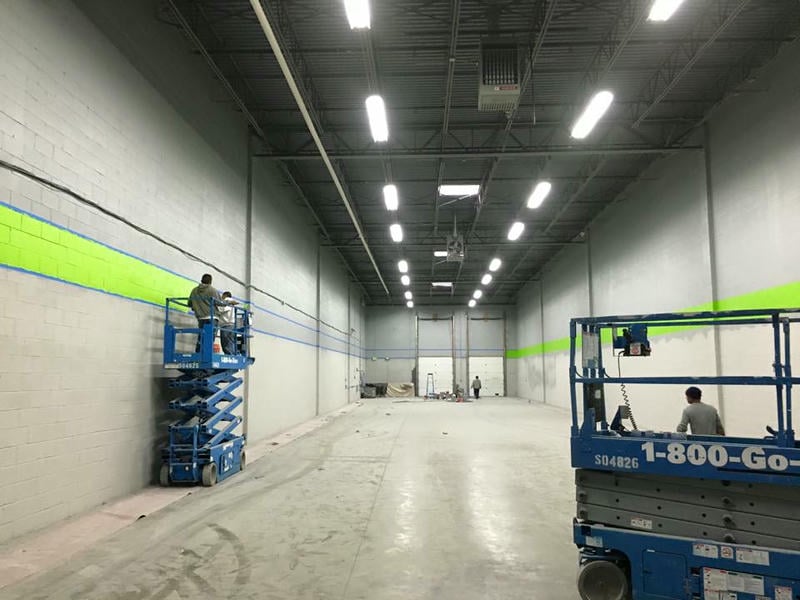
These windows can be a valuable opportunity to complete painting in areas that are difficult to access during normal operations. Production floors, loading areas, and high-traffic corridors can often be painted with less disruption when fewer employees and less equipment are in the building.
Planning ahead is important. Holiday shutdowns are short, and contractor schedules fill up quickly, so it helps to book the work several weeks in advance.
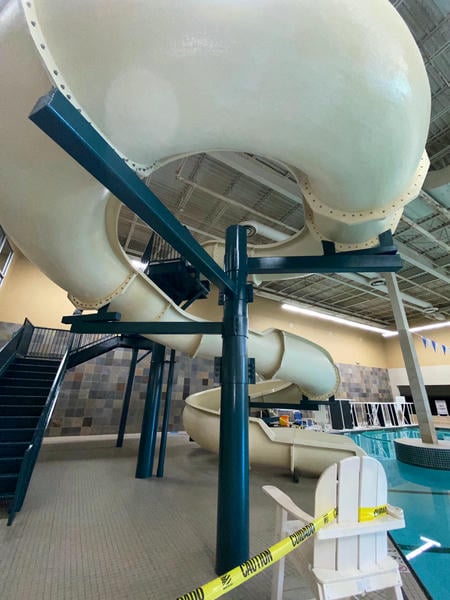
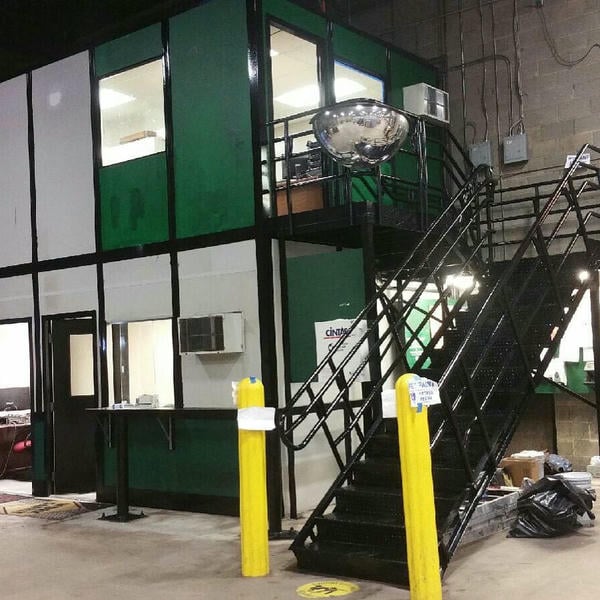
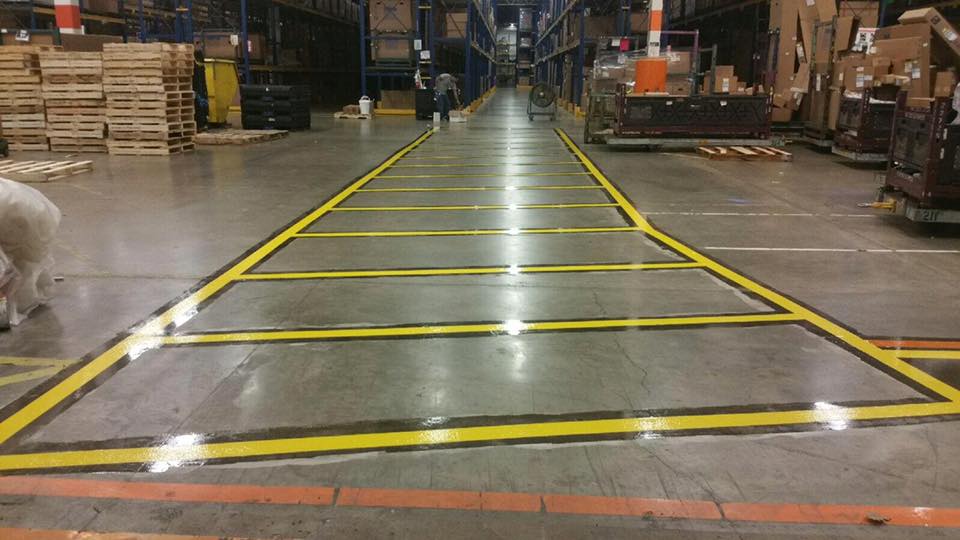
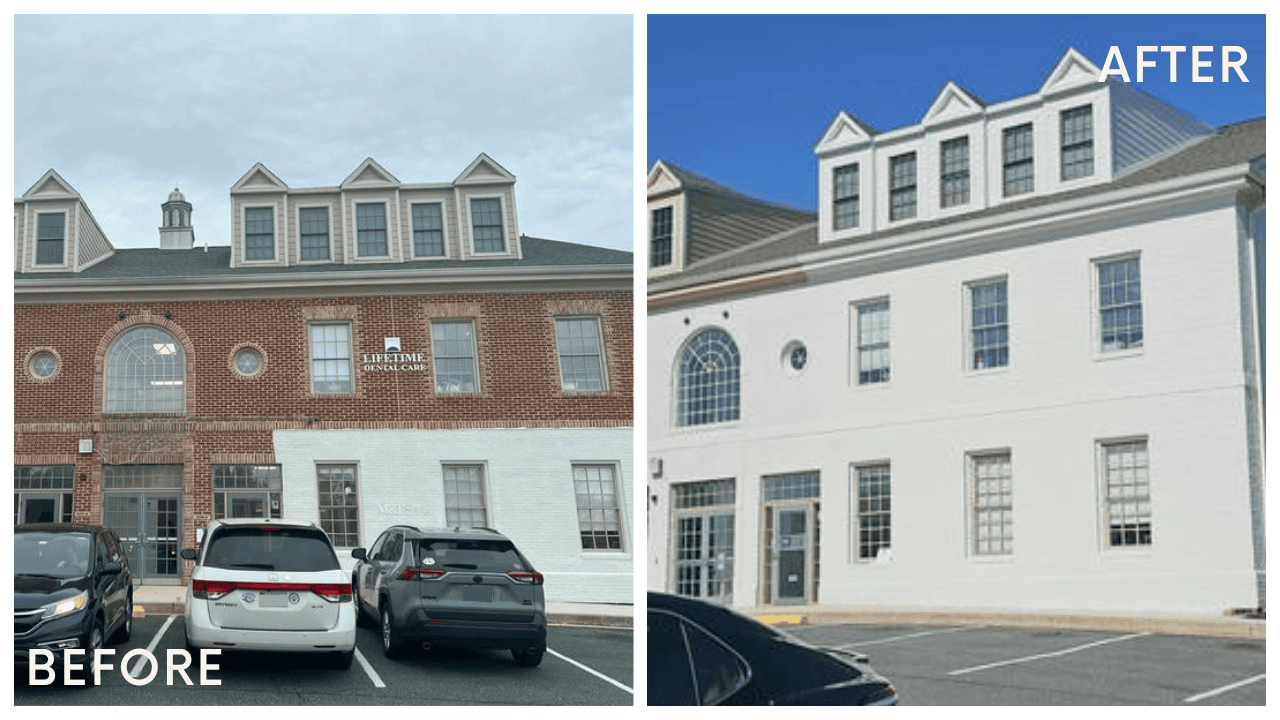
Every facility is different, but common interior projects include:
Prioritizing the areas with the most wear, or the areas employees and visitors see most, can help you get the greatest value from the project.
Interior painting is not only about appearance. Bright, clean walls and ceilings can improve how light reflects throughout the space, which may help work areas feel brighter and more comfortable.
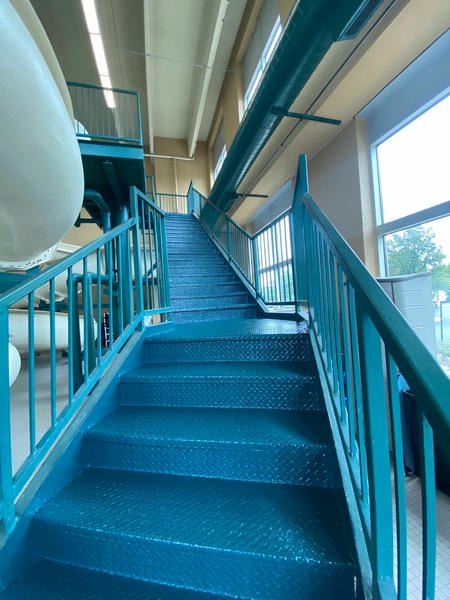
Fresh coatings also make surfaces easier to clean and help protect them from moisture, impact, and daily wear. Repainting railings, columns, and other safety-related surfaces can make hazards easier to see, especially during the shorter days of winter.
During colder months, doors and windows usually stay closed, so ventilation needs extra attention.
The contractor should plan how fresh air will be brought into the work area and how fumes will be managed while employees are nearby. Low-odor and low-VOC products are often a good choice for occupied buildings, since they can help reduce odors and allow areas to return to use sooner.
Before painting begins, equipment, machinery, inventory, and finished products should be moved or covered.
A good contractor will explain how they plan to protect these items, control overspray, and keep walkways clear. Dividing the project into sections can also allow operations to continue in other parts of the building.
Fall and winter offer a practical opportunity to improve your facility without waiting for warm weather. With controlled indoor conditions, holiday shutdowns, and careful planning, interior painting can be completed efficiently and with minimal disruption.
REFF Services provides industrial and commercial interior painting throughout Baltimore and surrounding Maryland communities.
Share this post: