One of the biggest concerns facility managers have about industrial painting is downtime. Painting may be necessary to protect surfaces and improve the condition of the facility, but production, deliveries, and daily operations still need to continue.
The good news is that many delays can be avoided. With the right planning and cooperation between the customer and the contractor, an industrial painting project can move forward with much less disruption.
High-quality products can make a noticeable difference in both the installation process and the long-term result.
The coating should be selected based on the surface, working conditions, traffic, temperature, and exposure to moisture or chemicals. Using the correct product can improve coverage, adhesion, and durability while reducing the chances of needing repairs or repainting sooner than expected.
The fastest product is not always the best product. The contractor should recommend a system that balances application time with long-term performance.
Limited access is one of the most common reasons industrial projects take longer than expected.
Before the work begins, remove movable equipment, vehicles, inventory, and other obstacles from the project area whenever possible. The contractor may also need access to loading areas, electrical connections, water sources, and specific entry points.
A clear work area allows the crew to focus on preparation and painting instead of repeatedly stopping to move materials.
When possible, giving the contractor longer working hours can shorten the overall project.
Evening shifts, weekends, planned shutdowns, and low-production periods may provide the crew with more uninterrupted time. This is especially helpful when several steps need to happen in order, such as cleaning, preparation, priming, painting, and drying.
A longer work window may allow one section to be completed before normal operations resume.
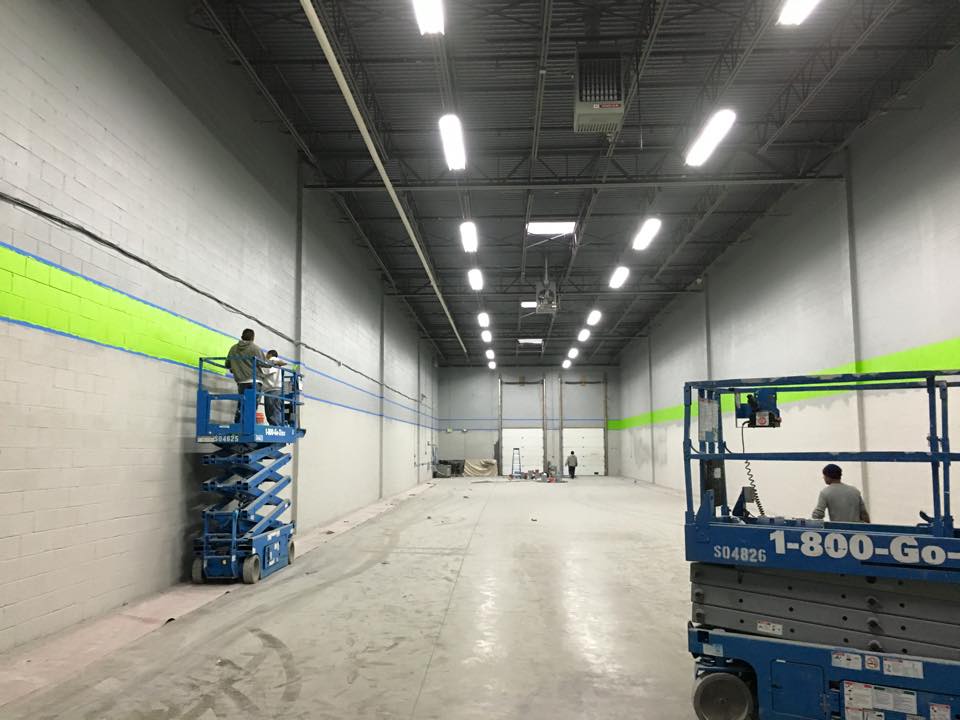
A large warehouse or production area does not always need to be shut down at once.
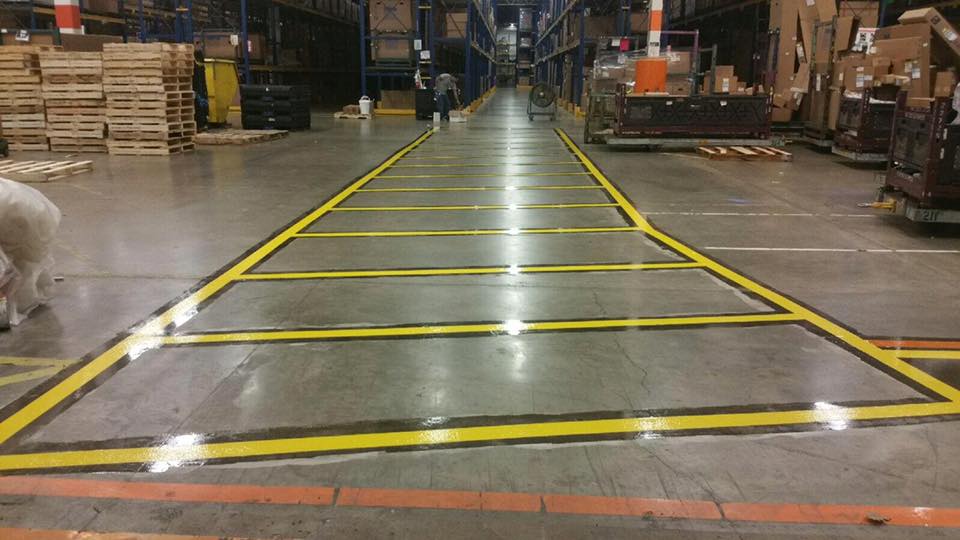
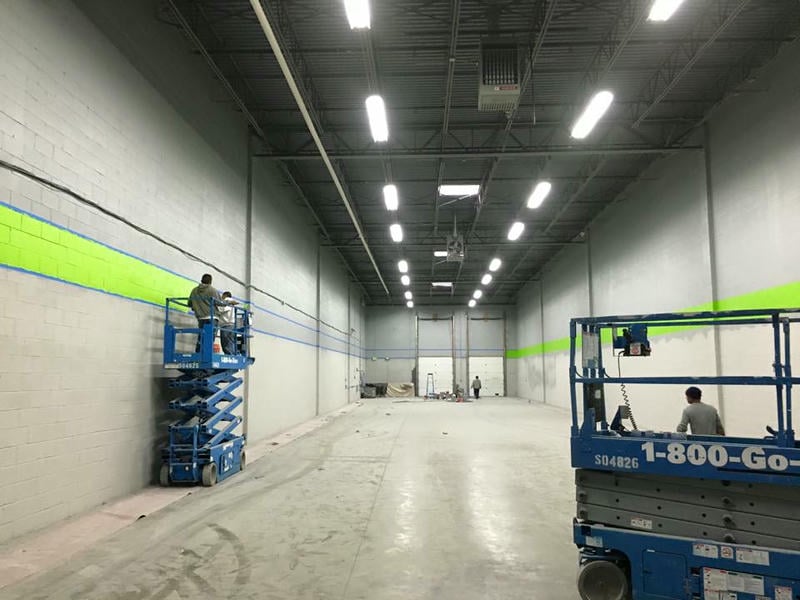
Breaking the project into smaller zones allows work to continue in one section while operations continue elsewhere. Once the first area is finished and ready for use, the contractor can move to the next section.
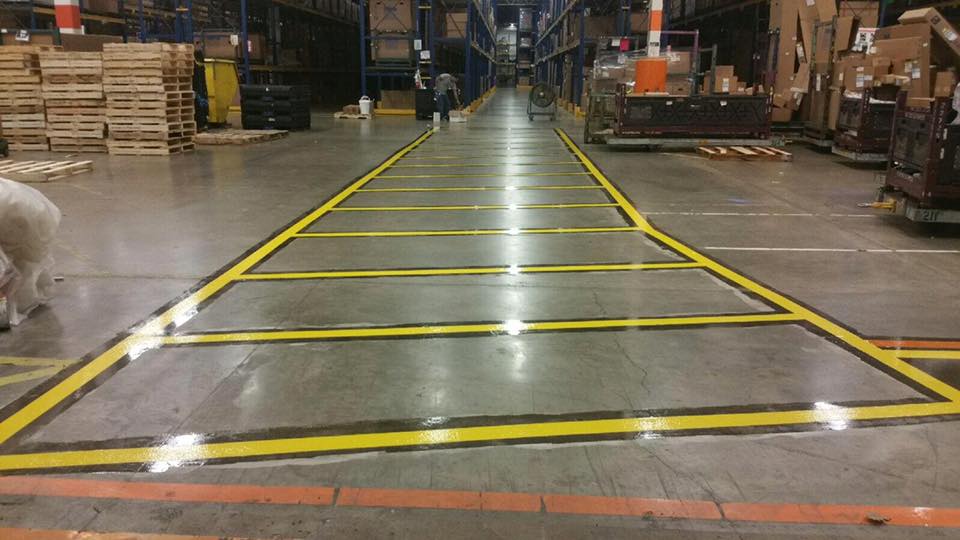
This phased approach works well for production floors, storage areas, corridors, loading zones, and other active spaces.
Before the first day of work, both parties should agree on a clear project schedule.
The plan should identify:
A clear schedule helps everyone understand what needs to happen and when.
Every project should have one main contact from the facility and one from the contractor.
This makes it easier to answer questions, coordinate access, and address unexpected changes. Quick decisions can prevent small issues from turning into full-day delays.
Regular updates also help facility managers prepare for the next phase of work.
It may be tempting to shorten the project by reducing preparation time, but this often causes bigger problems later.
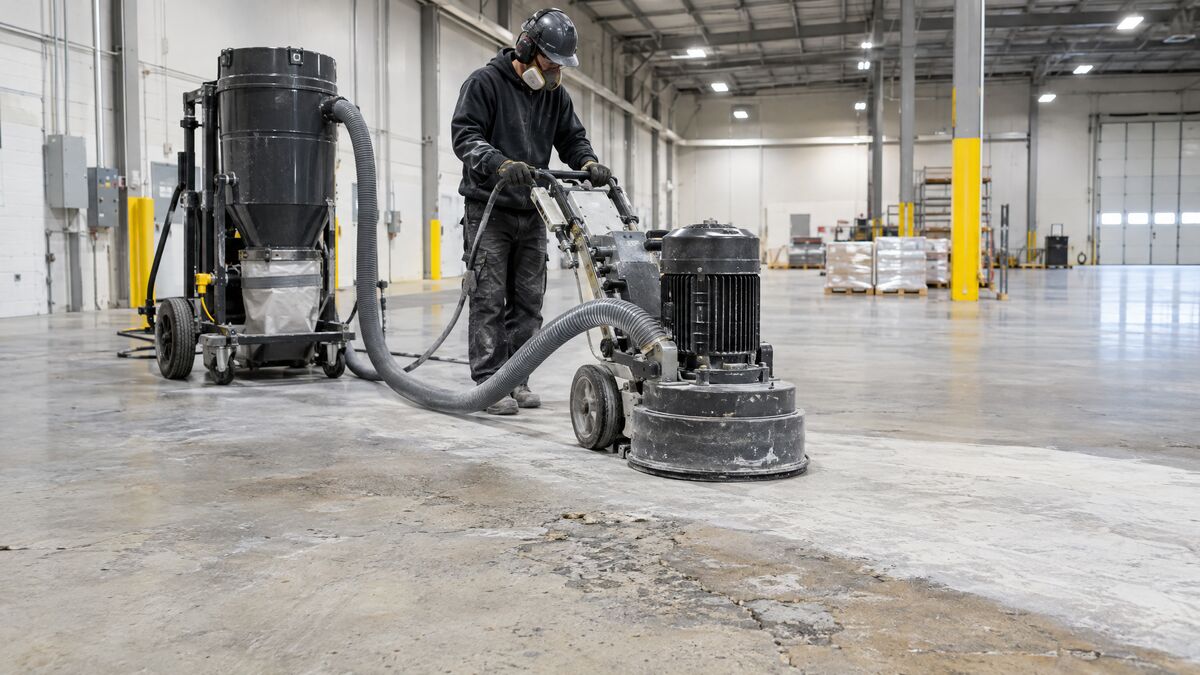
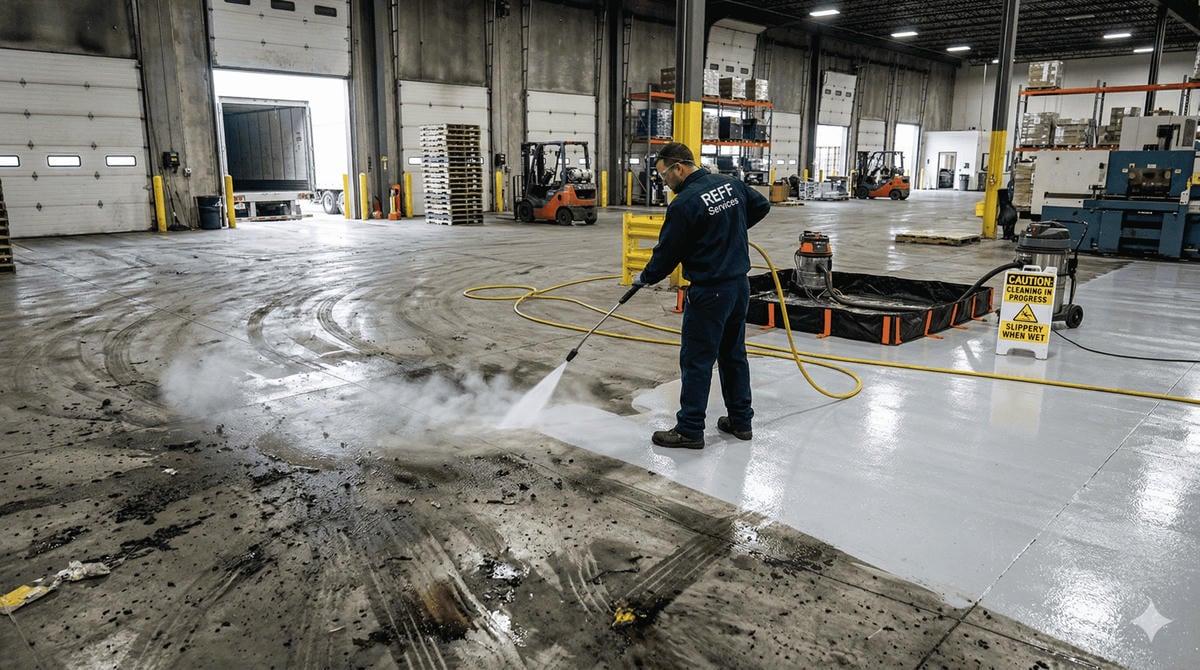
Cleaning, scraping, grinding, repairing, or priming the surface helps the new coating bond properly. If these steps are skipped, the paint may fail early, creating more downtime and additional costs in the future.
Proper preparation should always be included in the original schedule.
Reducing downtime is a shared responsibility. The contractor needs to provide a realistic plan, and the customer needs to provide access, working time, and clear communication.
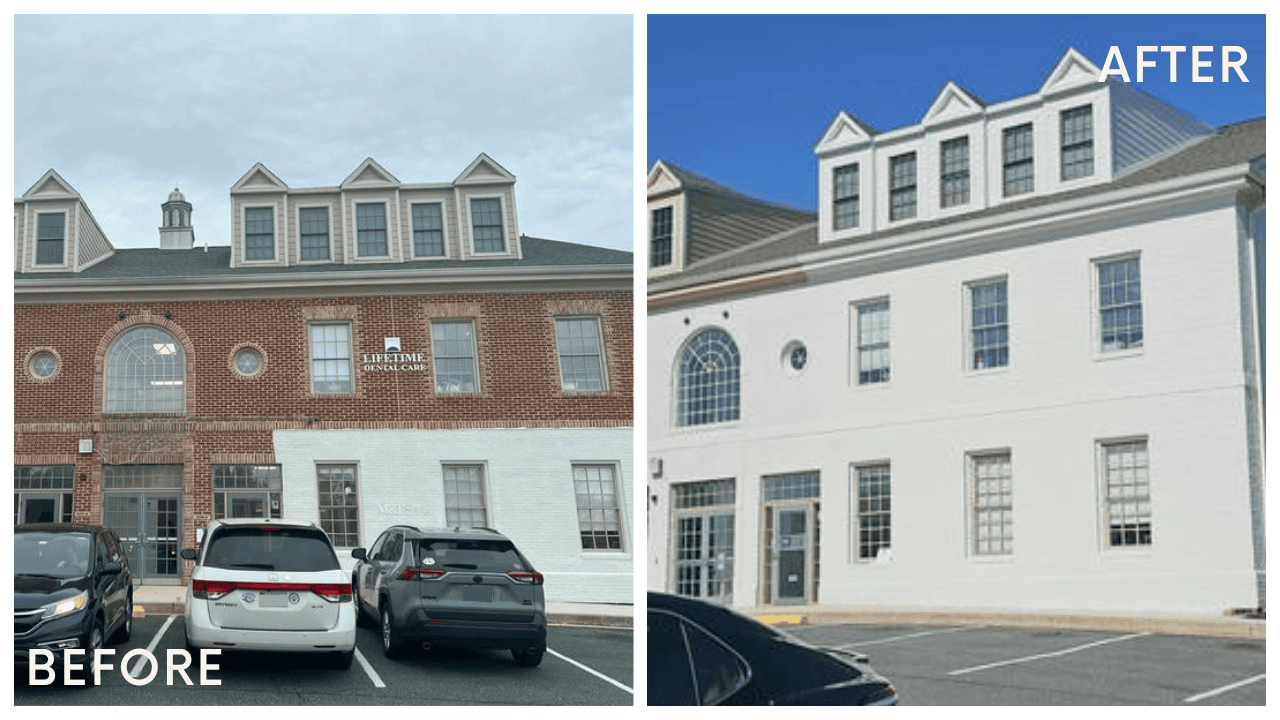
By using high-quality products, dividing the project into manageable sections, and coordinating the schedule in advance, industrial painting can be completed with far less disruption.
REFF Services helps industrial and commercial facilities plan painting projects around active operations.
Share this post: