As the days get shorter and temperatures begin to cool, many facility managers start thinking about the year ahead. For commercial and industrial properties in Maryland, fall is also an important reminder that winter is on the way, and with it comes snow, ice, road salt, and months of freezing and thawing.
These conditions can be hard on almost every part of a property. Parking lot lines disappear under snow and get scraped by plows. Moisture finds its way into small cracks in concrete and makes them larger. Peeling paint and exposed metal become more vulnerable to rust and damage. Problems that seemed minor in September can turn into costly repairs by spring.
The good news is that fall offers an ideal window to get ahead of these issues. Temperatures are still mild enough for many exterior projects, and a little preparation now can help protect your property throughout the winter. This checklist covers the key areas to review before the cold weather arrives.
Many paints, coatings, and striping materials need certain temperatures to apply and cure properly. Product requirements vary, but cold weather can slow curing, weaken adhesion, and limit when exterior work can be completed.
Once temperatures drop consistently, some projects may have to wait until spring. Scheduling exterior work in early or mid fall gives facilities the best chance to finish before winter conditions set in.
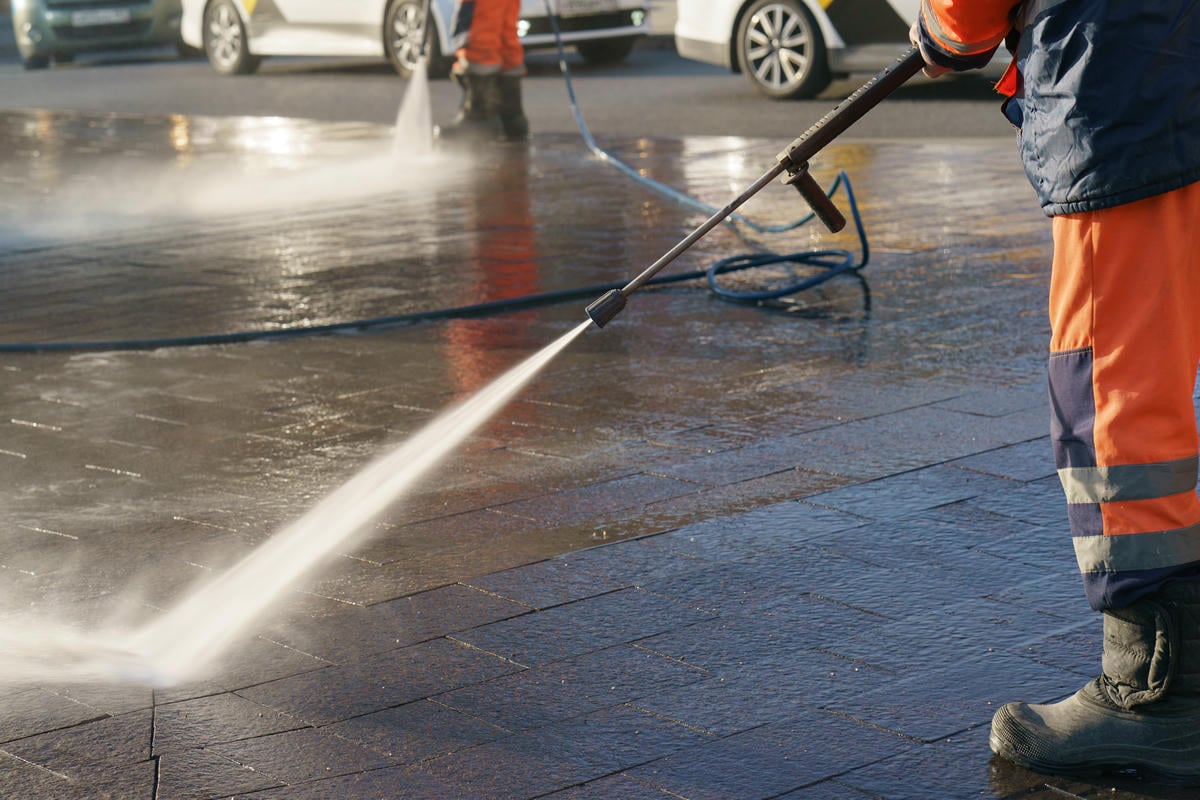
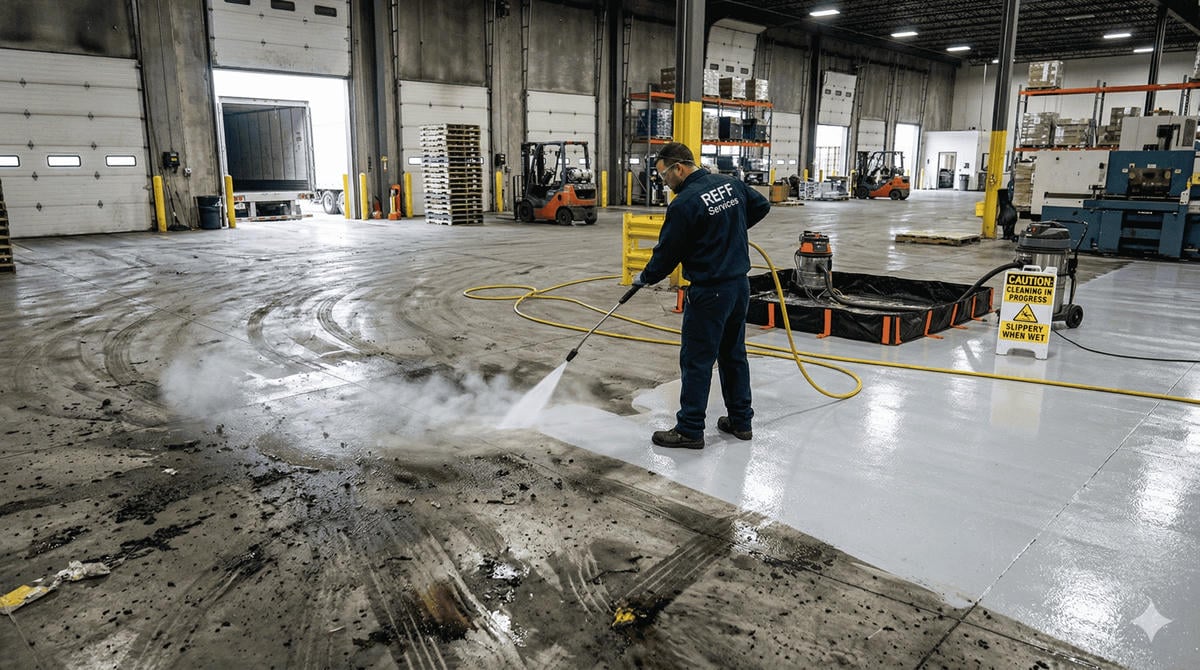
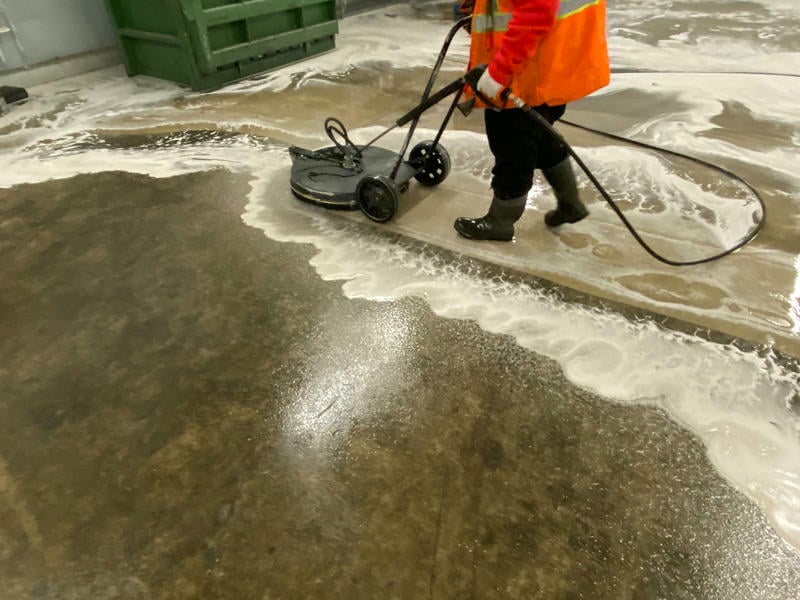
Power washing before winter removes dirt, mildew, grease, and debris from siding, sidewalks, loading areas, and concrete.
This helps in several ways. Clean surfaces are easier to inspect, and contaminants are not left sitting on the surface all winter. Cleaning is also a necessary first step before any exterior painting or coating repairs.
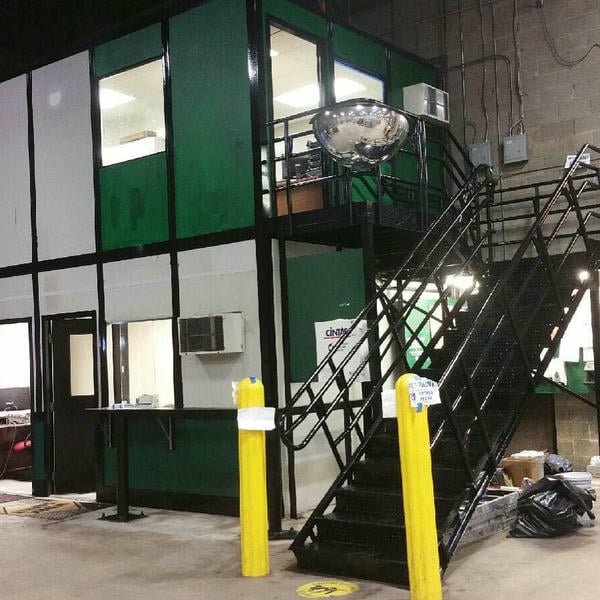
Look closely at exterior walls, doors, railings, steel structures, and trim.
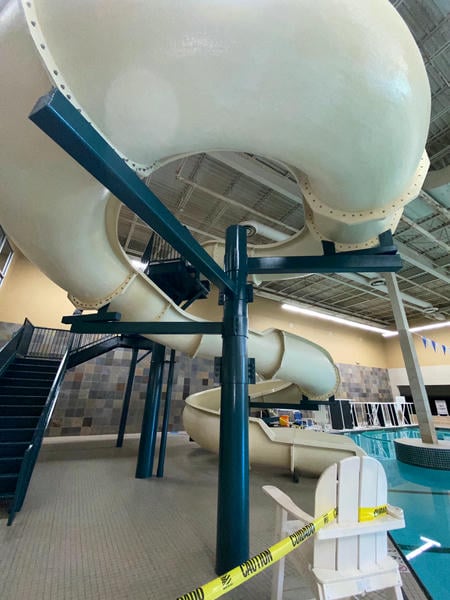
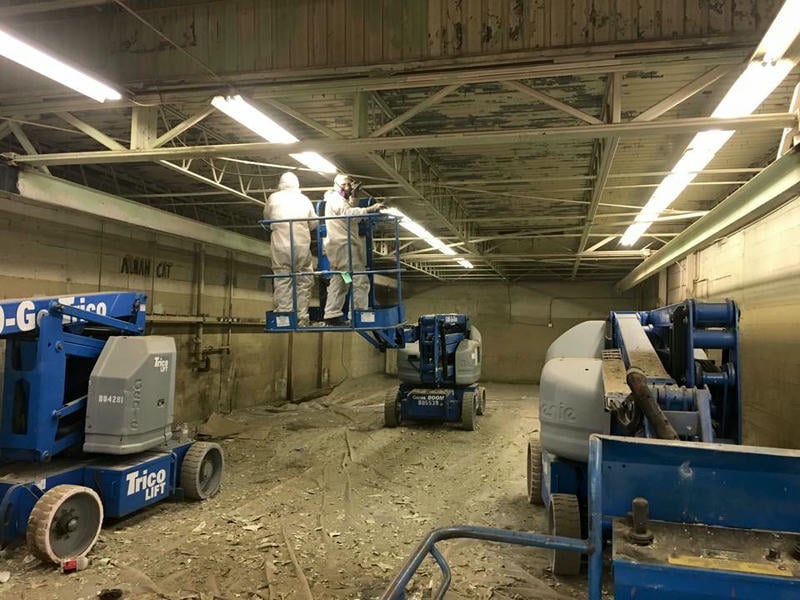
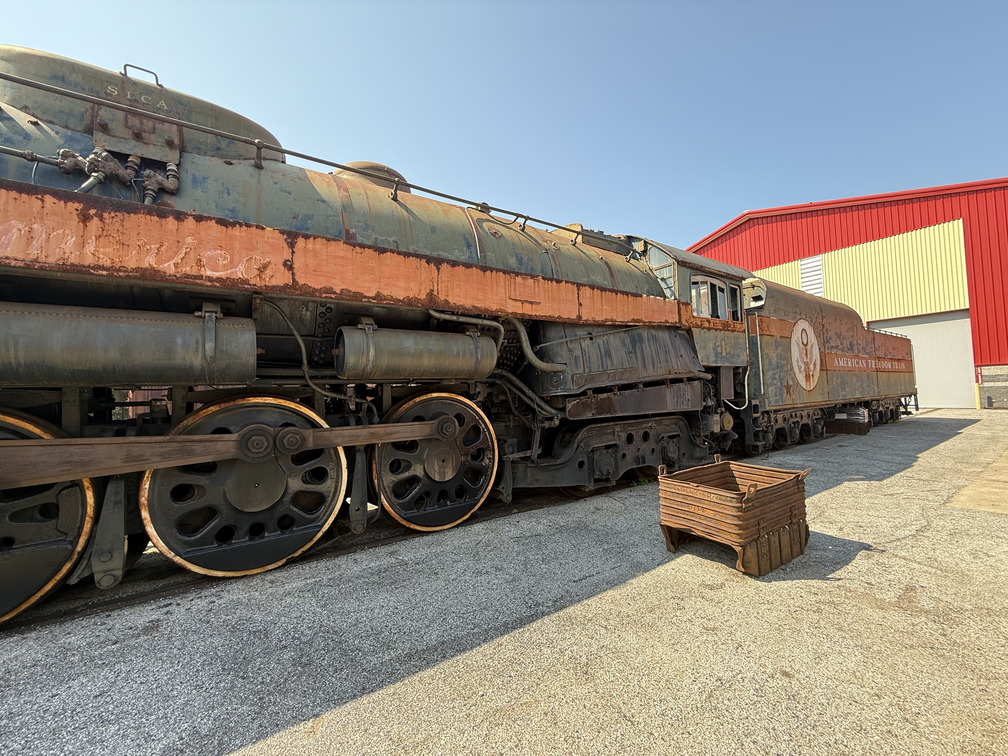
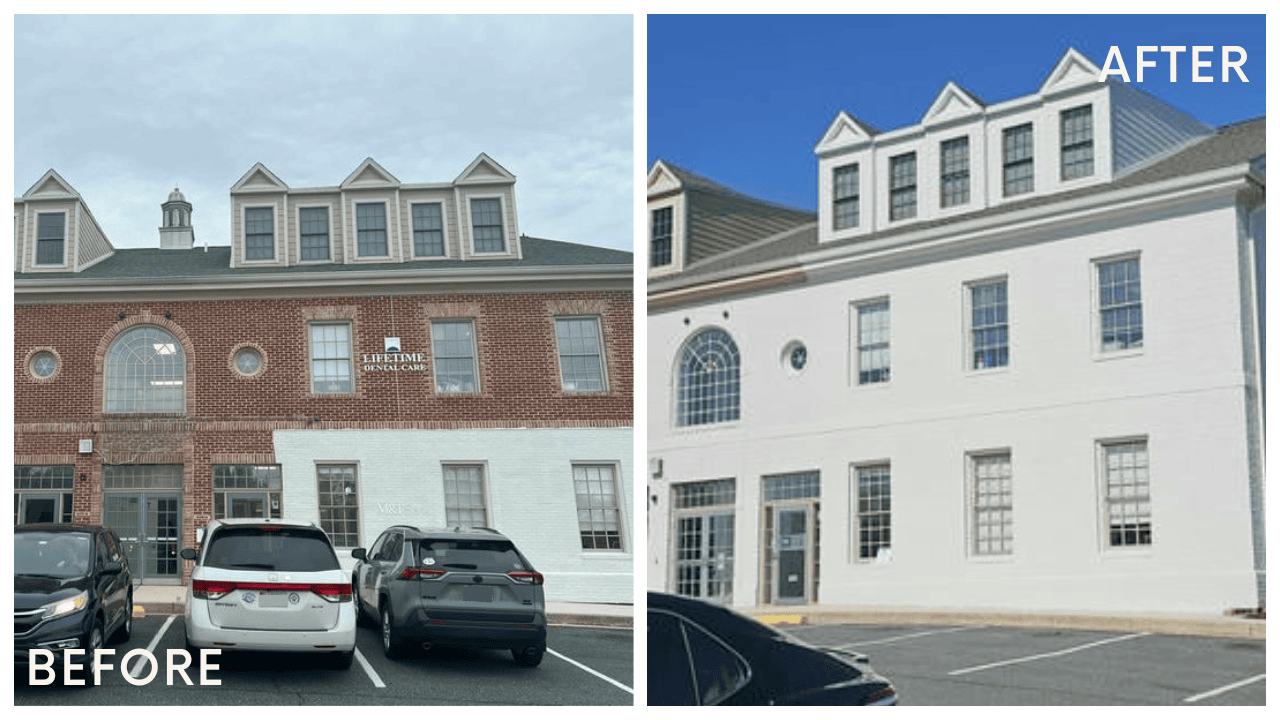
Small areas of peeling paint, exposed metal, or cracked coatings can allow moisture to reach the surface underneath. During winter, that moisture can freeze, expand, and cause the damage to spread.
Touching up these areas in the fall can help protect the building until a larger project can be scheduled.
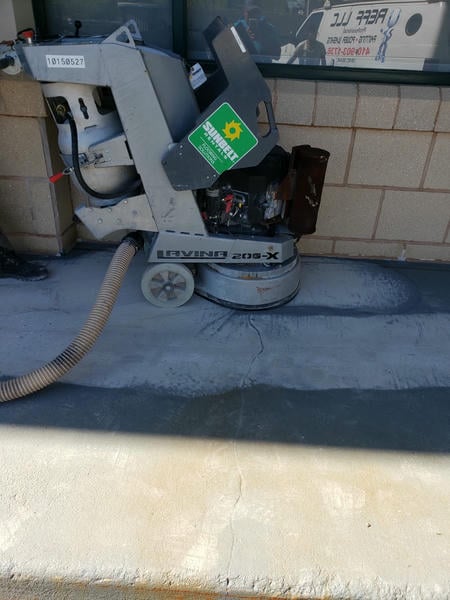
Concrete sidewalks, loading docks, and parking areas should be inspected for cracks and surface damage.
Water that gets into cracks can freeze and expand, making the damage worse with each freeze-thaw cycle. De-icing salts can also speed up surface deterioration.
Repairing and sealing damaged areas before winter can help slow this process.
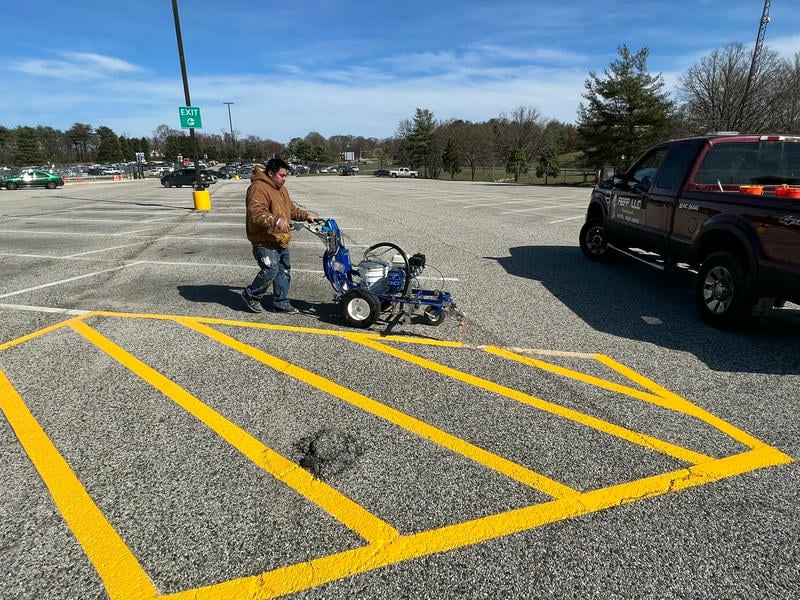
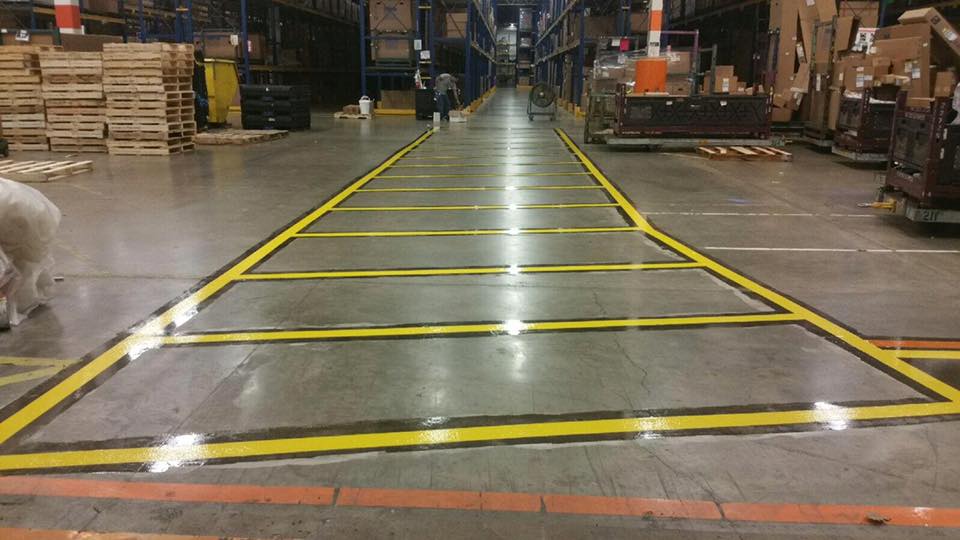
Snow can cover parking lot lines for days at a time, and snowplows often scrape and damage markings.
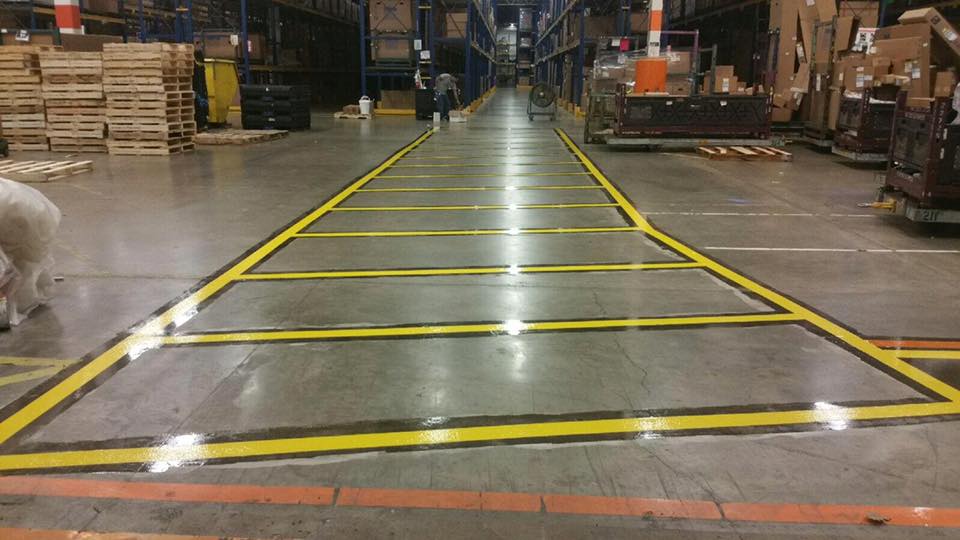
If the lines are already faded, they may be nearly invisible by spring. Restriping in the fall helps drivers see parking spaces, fire lanes, accessible spaces, and traffic arrows throughout the winter.
Before winter arrives, consider reviewing:
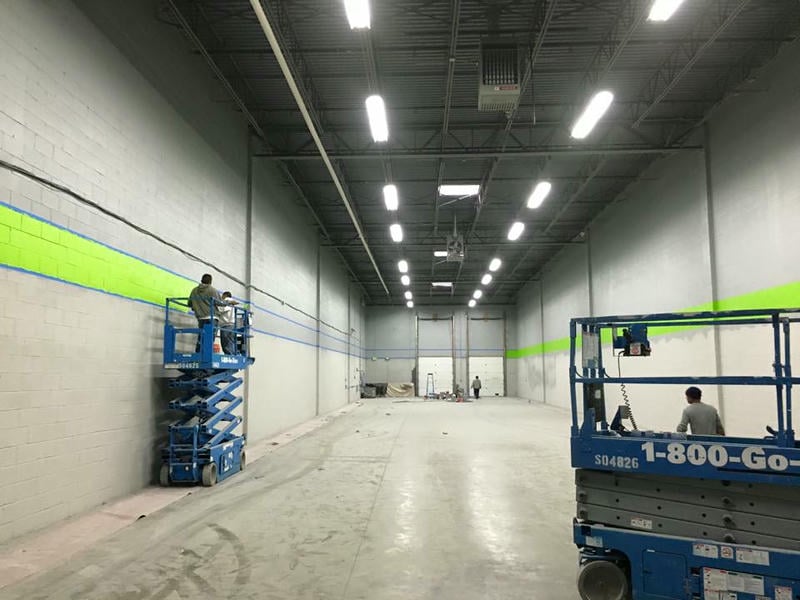
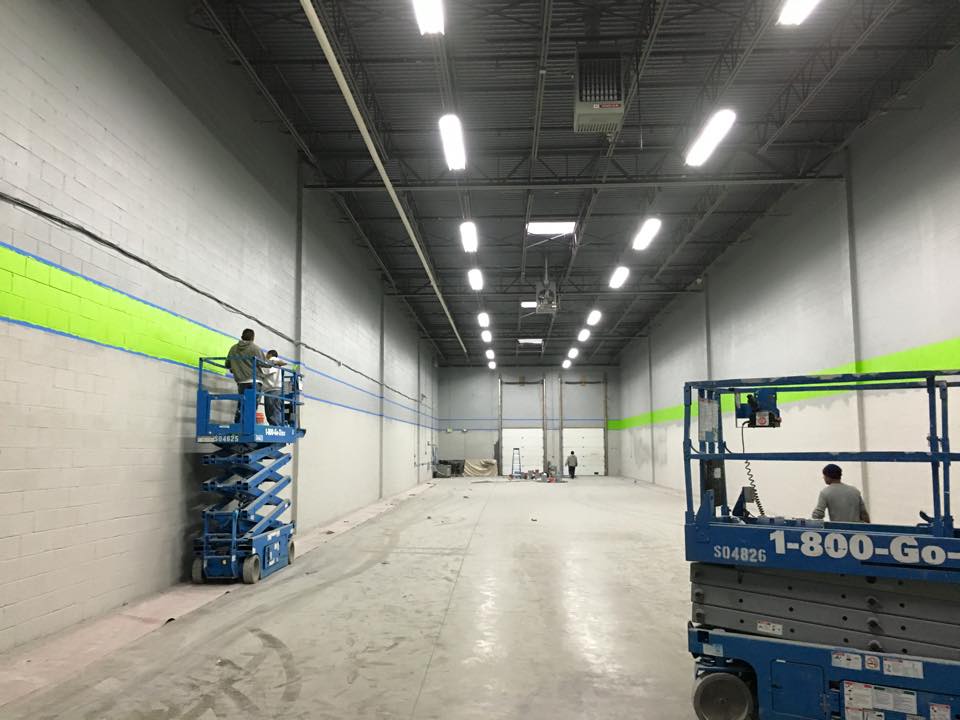
Winter does not have to mean all maintenance stops. Many indoor projects, such as interior painting and epoxy flooring, can be completed during colder months in heated spaces.
Entrance areas and loading docks often see extra wear from snow, water, and salt carried in on boots and equipment. Winter can be a good time to plan protective flooring for these spaces.
In unheated buildings, the contractor should review temperature and curing requirements before scheduling the work.
A little preparation in the fall can reduce winter damage, keep your property safer, and help avoid costly repairs in the spring.
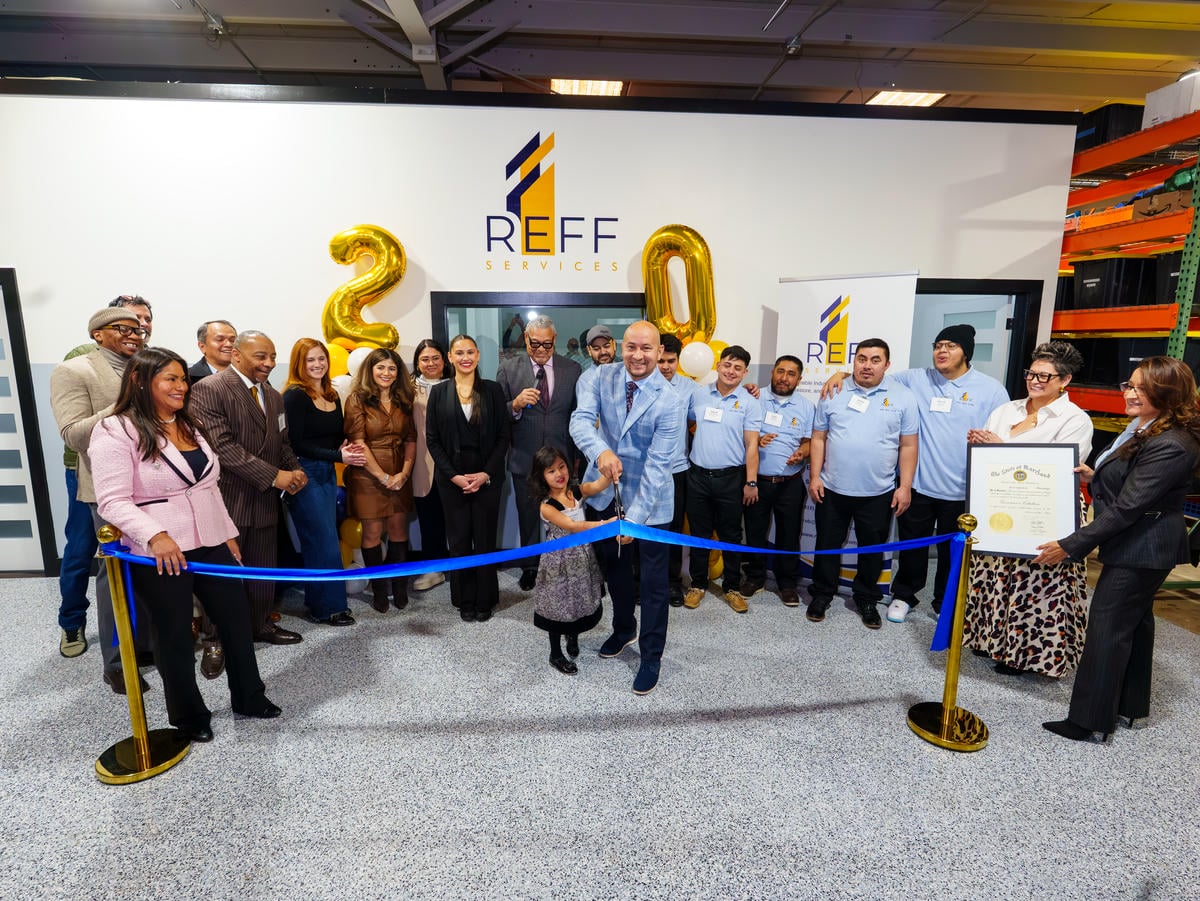
REFF Services helps commercial and industrial facilities prepare for every season with power washing, painting, parking lot striping, and epoxy flooring throughout Baltimore and surrounding Maryland communities.
Share this post: