Industrial and commercial floors take a lot of abuse. Forklifts, carts, equipment, spills, cleaning, and constant foot traffic can quickly wear down untreated concrete.
For many indoor facilities, epoxy flooring provides a practical way to protect the concrete while creating a cleaner, more professional, and easier-to-maintain surface.
Epoxy flooring can be used in a wide range of indoor environments, including:
The system can be adjusted depending on how the area is used and how much traffic or impact the floor receives.
Epoxy is installed over properly prepared concrete to create a strong surface layer.
This can help the floor stand up to frequent foot traffic, carts, forklifts, equipment, and normal daily wear. The correct thickness and system will depend on the conditions inside the facility.
A light-use storage room and a busy manufacturing floor will not necessarily need the same type of epoxy system.
Bare concrete is porous, which means it can absorb oil, water, dirt, and other contaminants.
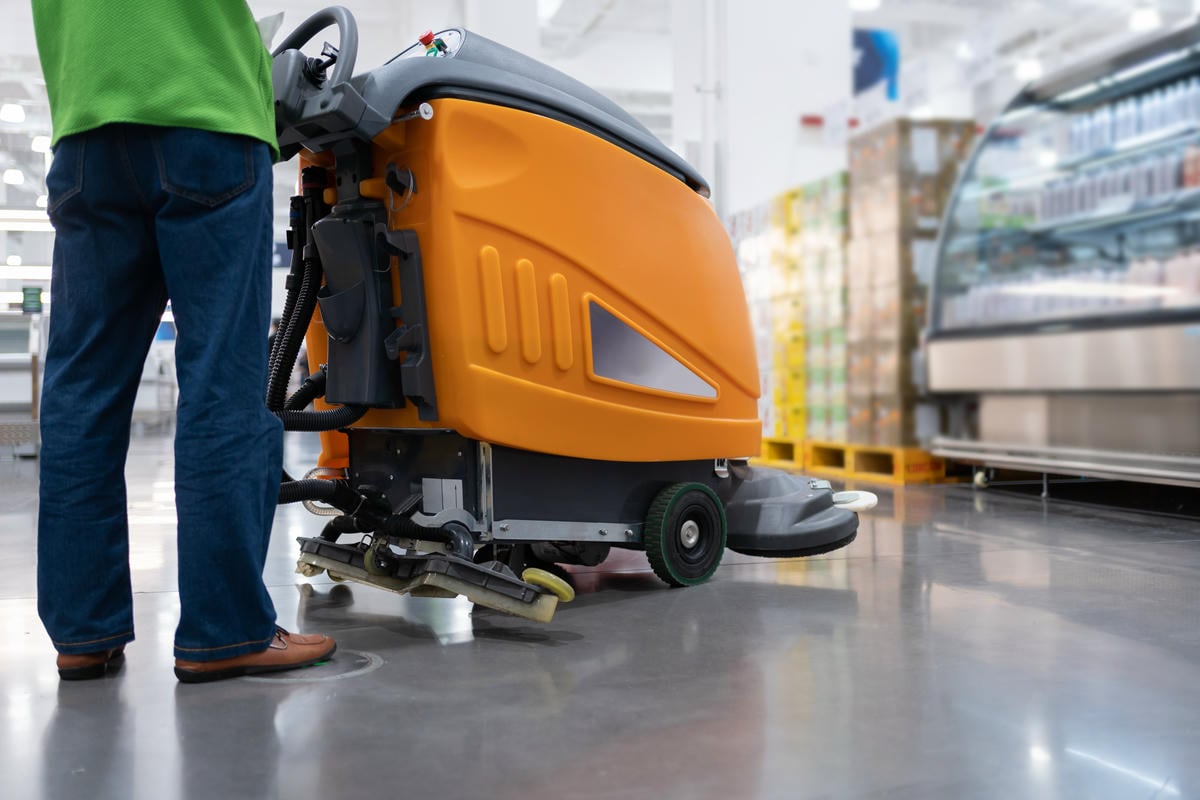
An epoxy surface is more seamless and has fewer places for dust and debris to collect. That can make sweeping, washing, and general maintenance much easier.
A cleaner floor can also improve the overall appearance of the facility, especially in customer-facing or highly visible areas.
Epoxy floors do not have to be completely smooth.
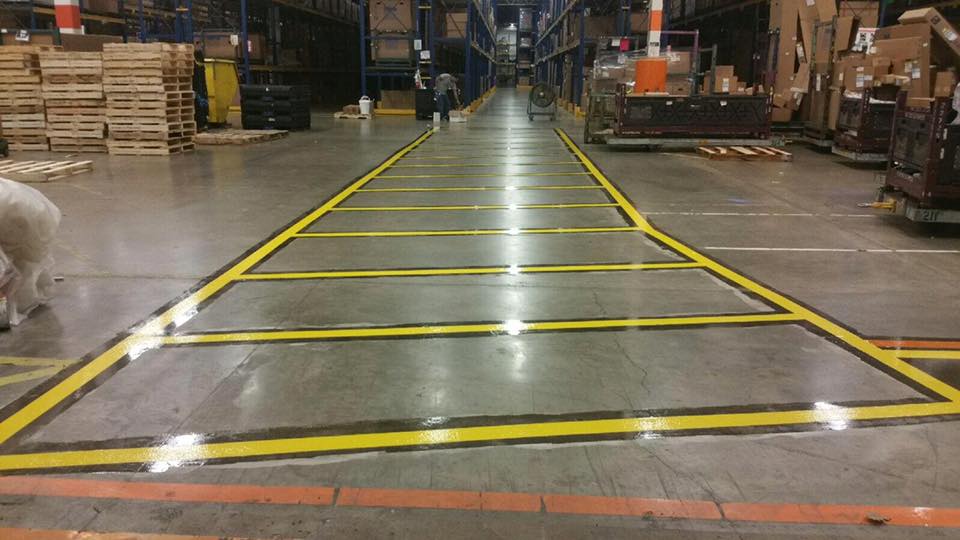
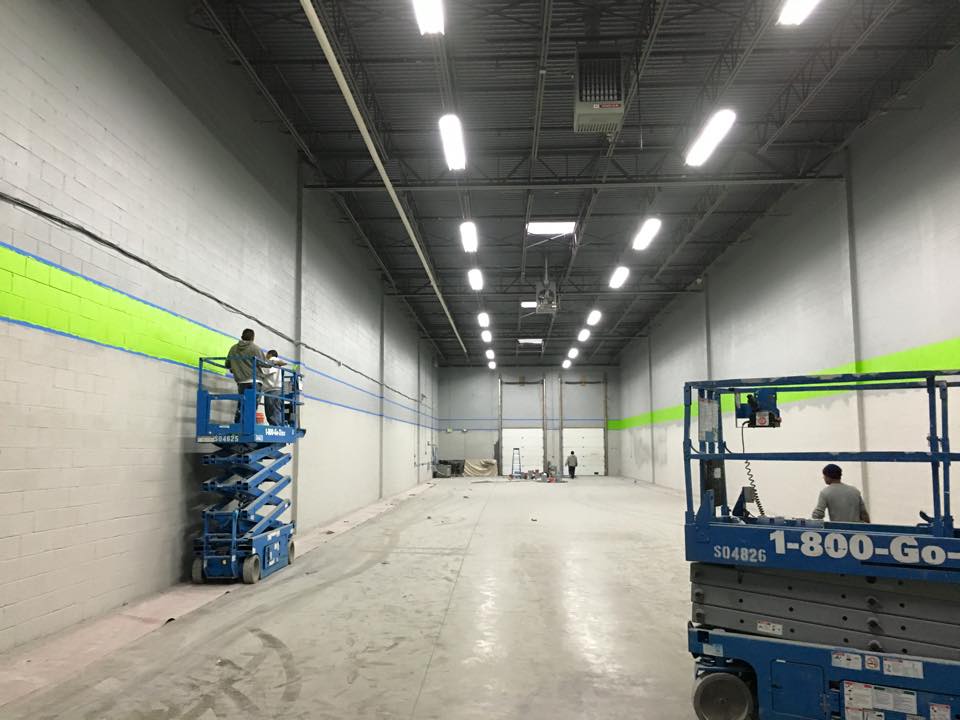
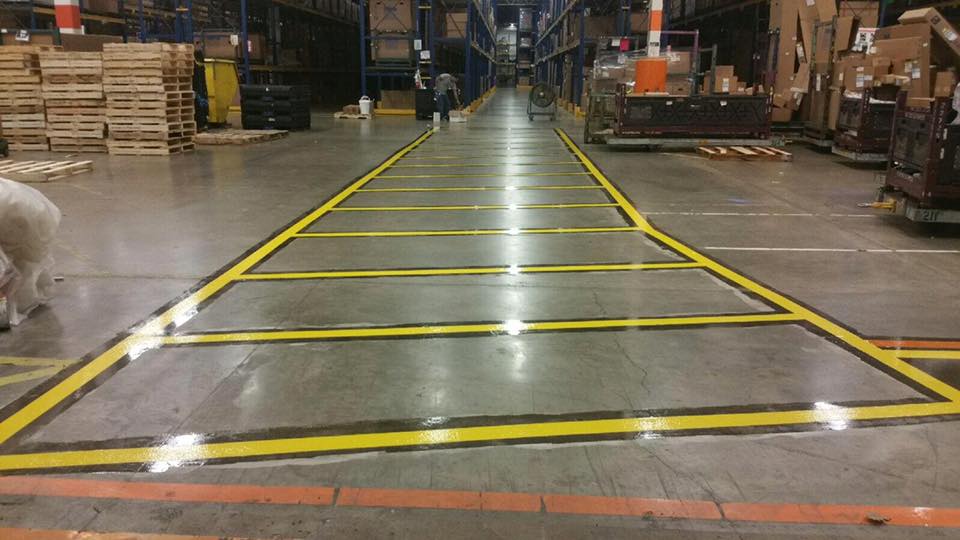
Slip-resistant materials and textured finishes can be added in areas where moisture, oil, or frequent cleaning may create a hazard. Color can also be used to identify walkways, work zones, equipment areas, and restricted spaces.
These options allow the flooring system to support the way the facility operates.
Depending on the system selected, epoxy flooring may provide resistance to stains, oils, moisture, and certain chemicals.
However, it is important to understand what the floor will be exposed to before choosing a product. The contractor should ask about spills, cleaning chemicals, temperature, traffic, and equipment use.
That information helps determine which system is best suited for the space.
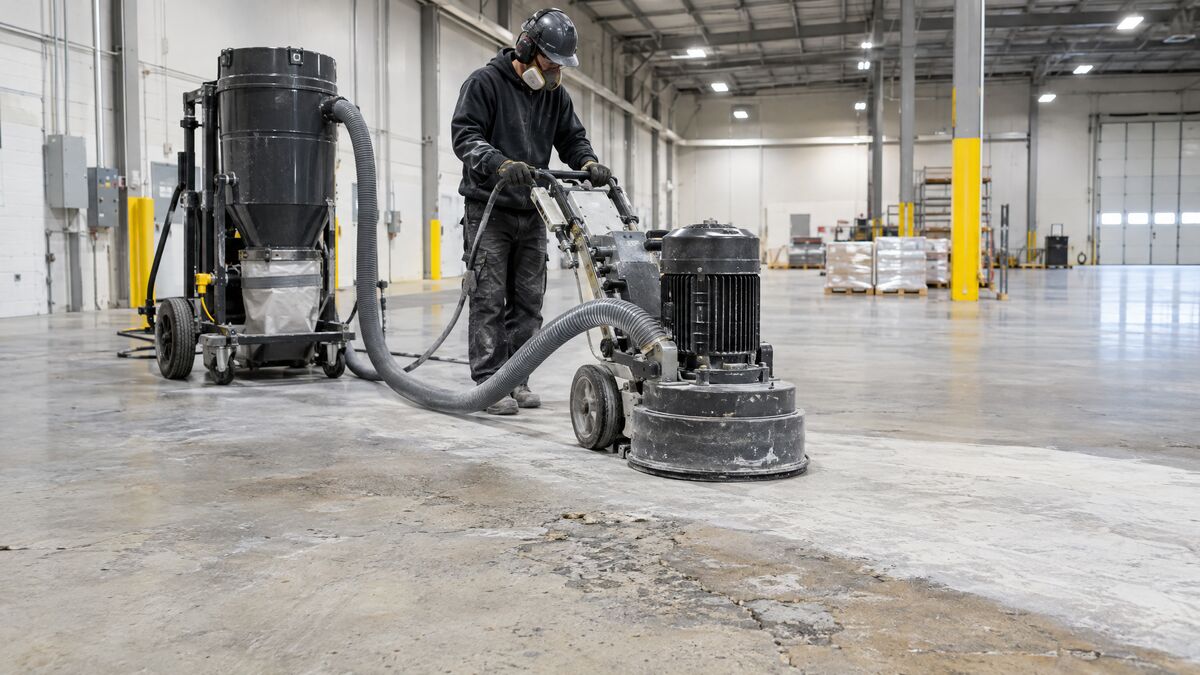
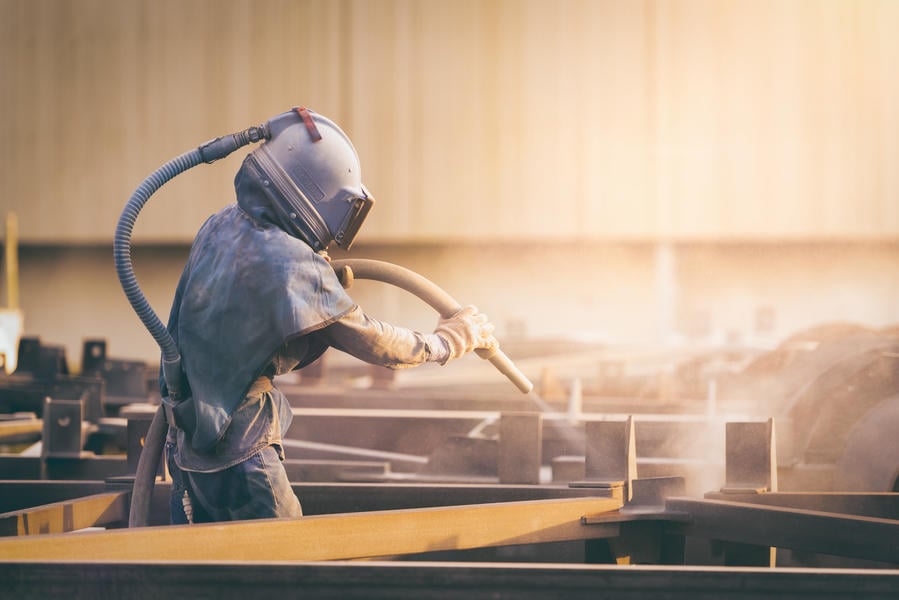
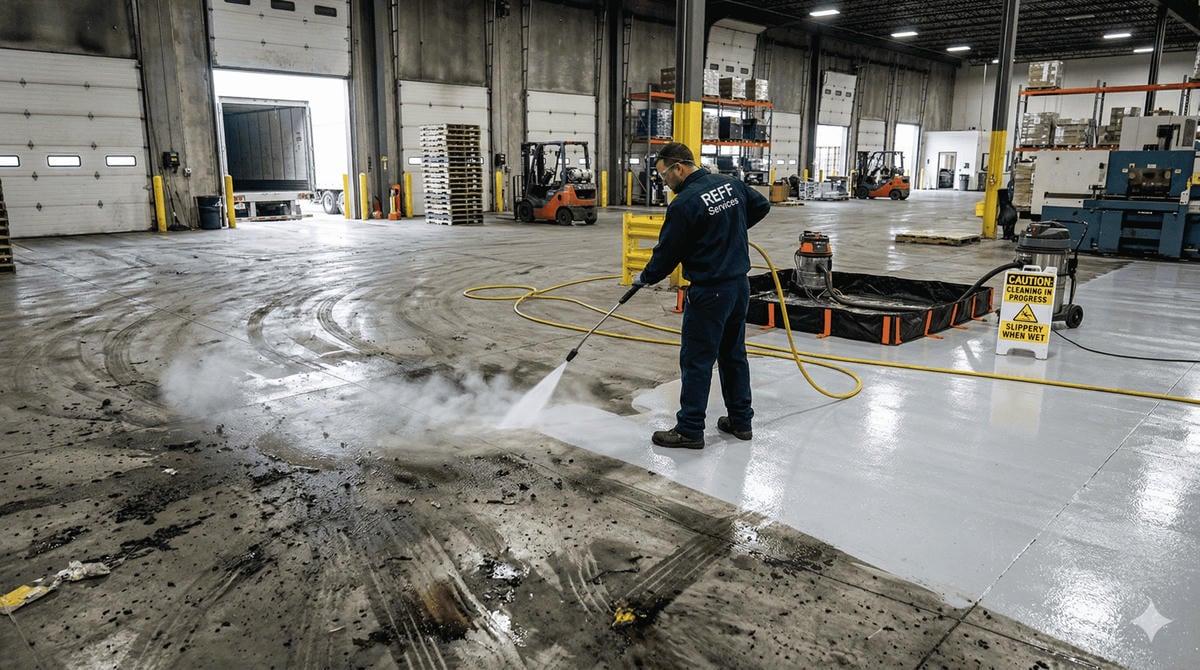
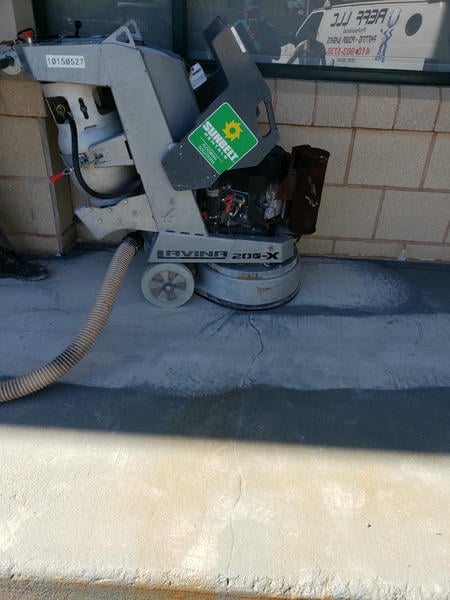
The quality of an epoxy floor depends heavily on what happens before the coating is applied.
The concrete may need to be cleaned, repaired, ground, or otherwise prepared. Moisture levels and existing contamination should also be evaluated.
Applying epoxy over a dirty, damaged, or poorly prepared floor can lead to bubbling, peeling, or separation. Preparation should never be skipped just to save time.
Epoxy installation requires time for preparation, application, and curing.
To reduce disruption, the work can often be divided into sections or scheduled during evenings, weekends, or planned shutdowns. The area must remain protected until the flooring system is ready for traffic.
A clear schedule helps the facility coordinate employees, machinery, and production.
Epoxy flooring is a strong choice for many indoor industrial and commercial spaces. It can improve durability, appearance, maintenance, and safety when the correct system is installed over properly prepared concrete.
REFF Services provides epoxy flooring solutions for indoor facilities throughout Baltimore and surrounding Maryland communities.
Share this post: