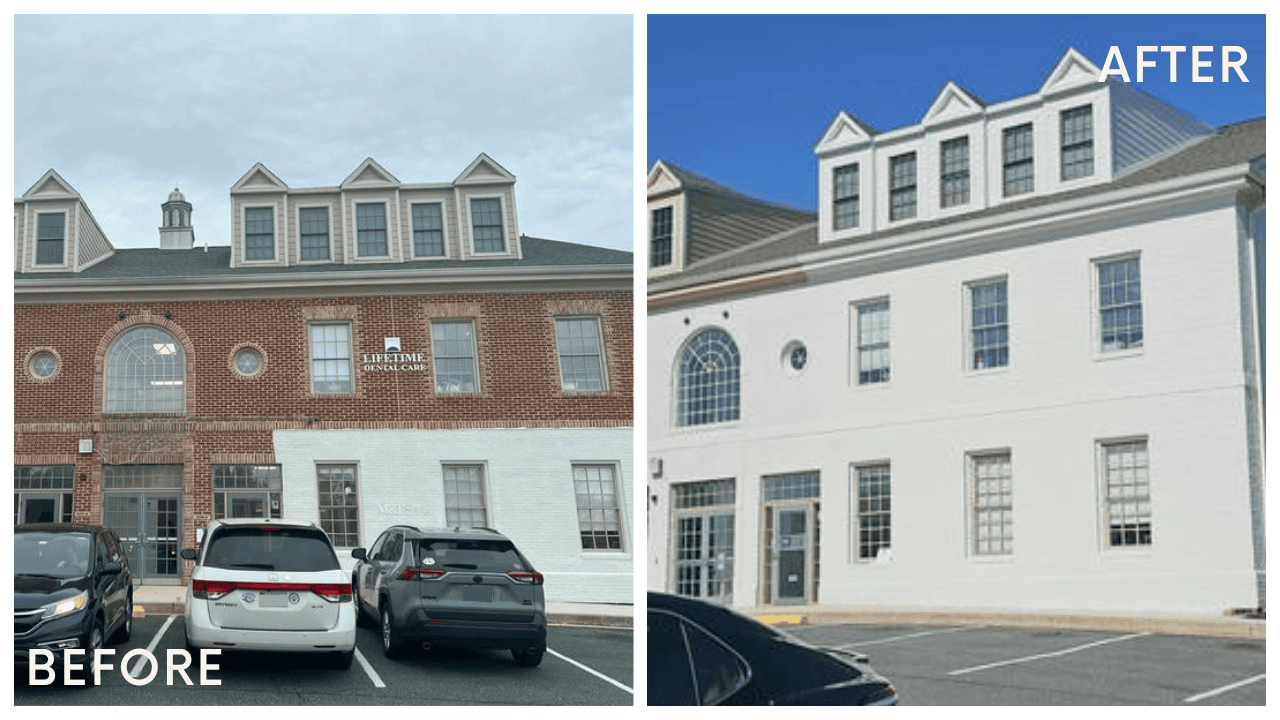
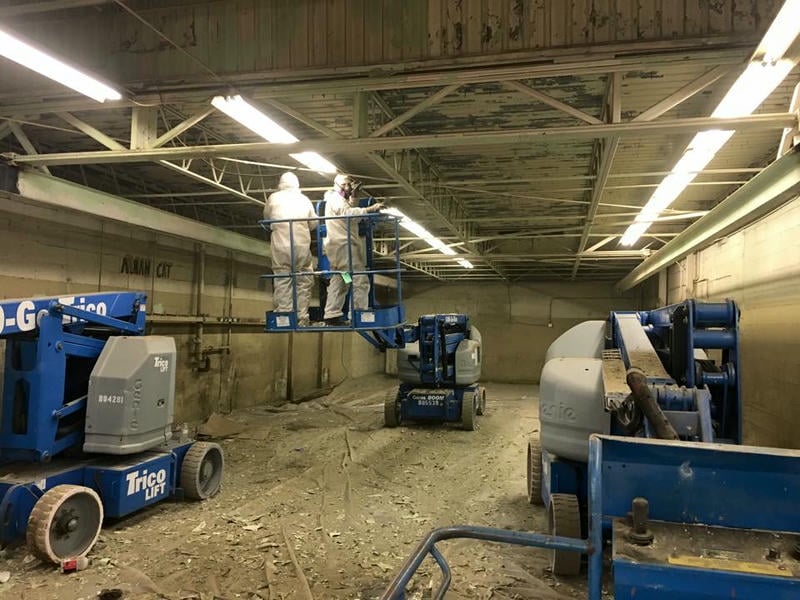
There is no single answer to how often an industrial facility should be repainted. Some surfaces may look good and remain protected for many years, while others begin showing wear much sooner.
The right repainting schedule depends on the facility, the surface, the working conditions, and the quality of the previous paint job. Instead of following a fixed number of years, facility managers should pay attention to the condition of each area.
Older coatings naturally begin to lose strength over time.
Even when a surface still looks acceptable from a distance, small warning signs may appear around corners, joints, doors, high-traffic areas, or exposed edges. These areas often begin to peel, fade, or lose adhesion before the rest of the surface.
Knowing when the last paint job was completed is helpful, but age alone should not determine whether repainting is needed.
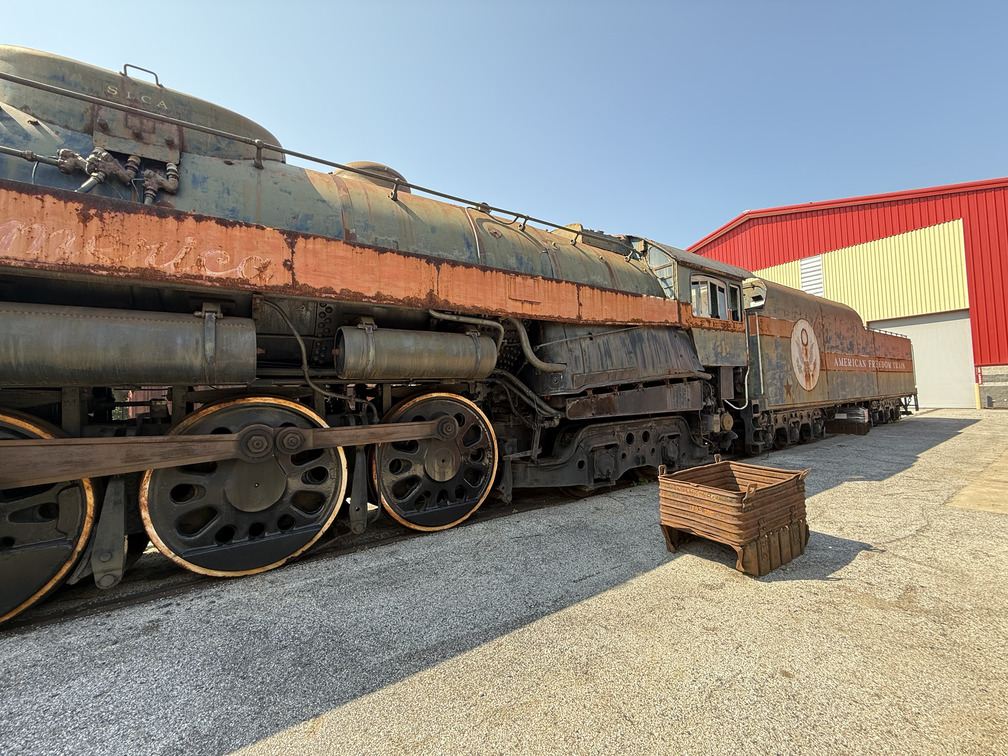
Outdoor surfaces are constantly exposed to sunlight, rain, moisture, temperature changes, and airborne contaminants. This can cause fading, cracking, chalking, rust, and other forms of deterioration.
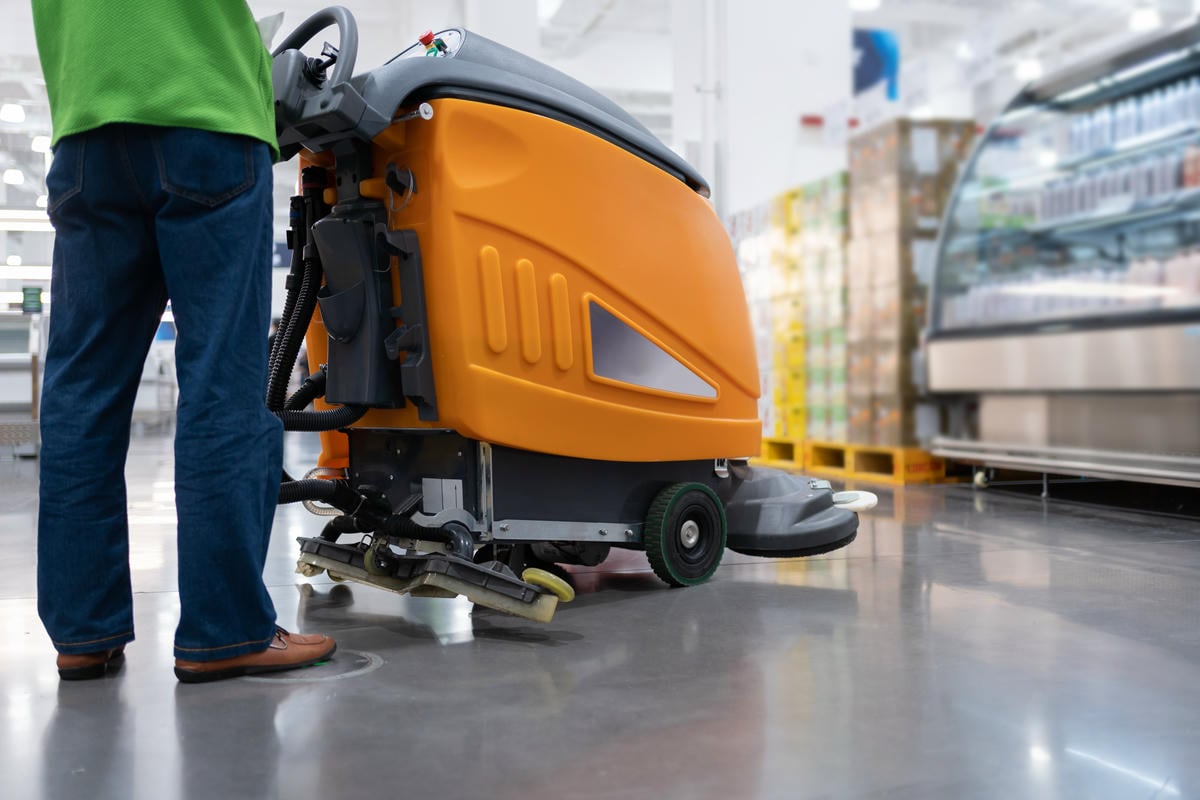
Indoor surfaces may not face the weather, but they still deal with forklifts, equipment, chemicals, cleaning products, humidity, and daily traffic.
For that reason, exterior and interior areas should be inspected separately. They may require completely different maintenance schedules.
The environment inside the facility has a major effect on how long a coating lasts.
Areas exposed to grease, heat, chemicals, moisture, dust, impact, or frequent washing may need attention much sooner than low-traffic areas.
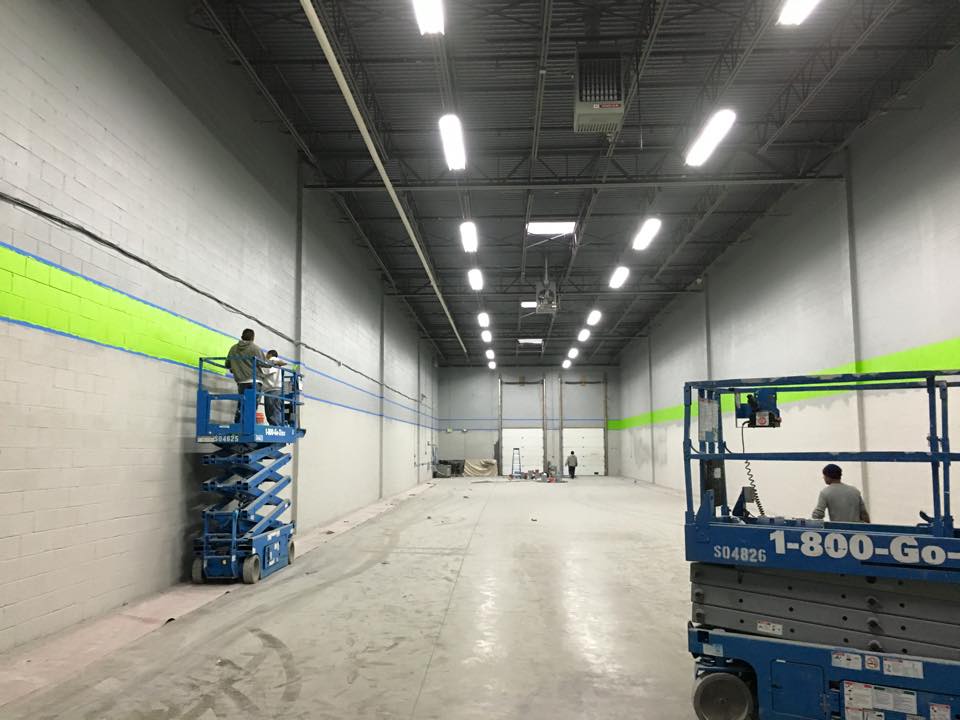
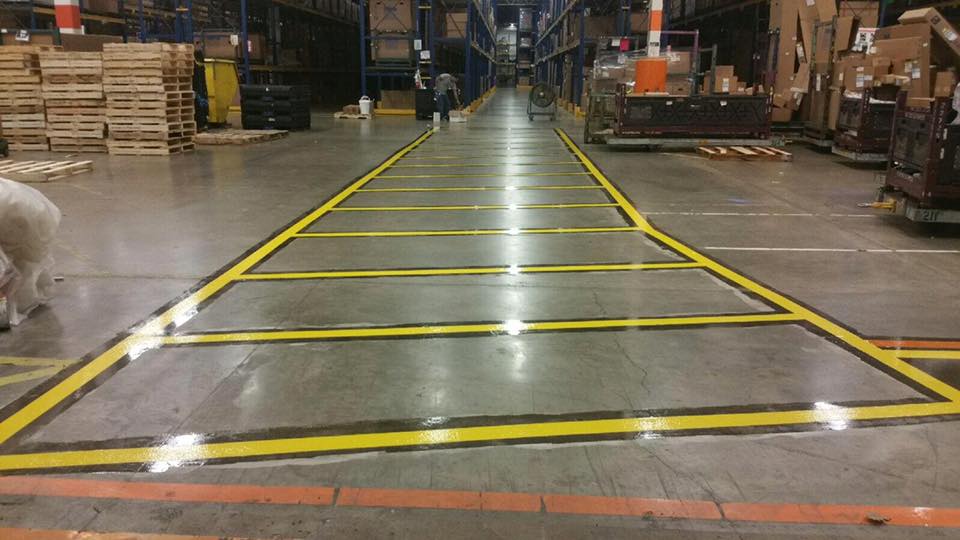
For example, a production floor, loading area, mechanical room, and office corridor may all be part of the same building, but each one experiences a different level of wear.
The quality of the previous work plays a major role in coating life.
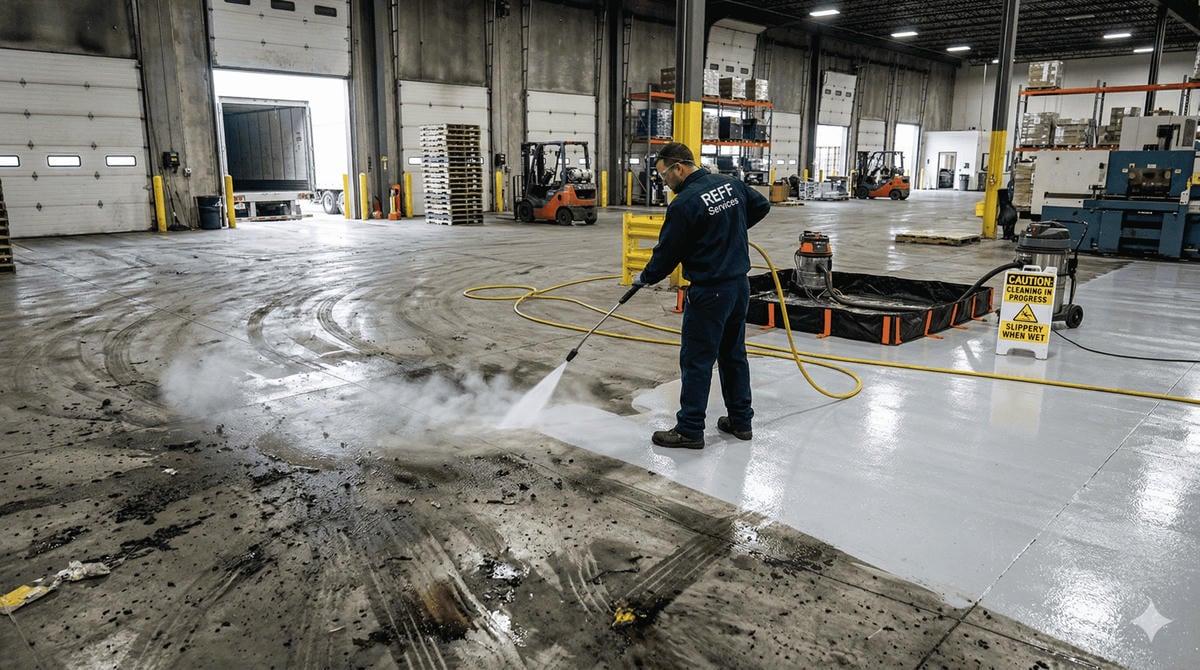
Paint may fail early when the surface was not cleaned properly, loose material was left behind, the wrong primer was used, or the coating was not appropriate for the environment.
Weather and application conditions also matter. Paint applied in excessive humidity, cold, or heat may not perform as expected.
A properly prepared surface with the correct coating system will generally last longer than a rushed or poorly planned application.
Different materials need different types of protection.
Steel may need repainting when rust appears or the existing coating has been damaged. Concrete and masonry may show moisture damage, staining, cracking, or coating separation. Interior walls may need attention because of repeated cleaning, impact, or heavy traffic.
The material being painted should always be part of the decision.
Visible damage is often the clearest indication that repainting is needed.
Common warning signs include:
Waiting until the coating fails completely can lead to more extensive preparation and repair work.
A professional assessment can help determine whether the entire facility needs repainting or whether a smaller repair is enough.
Regular inspections allow facility managers to address worn areas before the damage spreads. This can help control costs and reduce the risk of unexpected maintenance.
REFF Services provides industrial and commercial painting services throughout Baltimore and surrounding Maryland communities.
Share this post: