Concrete floors are the foundation of almost every warehouse, manufacturing plant, and distribution center. They support heavy equipment, forklifts, inventory, and employees every single day. Over time, that constant use takes a toll. Untreated concrete can crack, stain, create dust, and become harder to clean and maintain.
Epoxy flooring has become one of the most popular ways to protect industrial floors while improving safety, cleanliness, and appearance. For many facility managers, the decision to install epoxy is an easy one. The harder part is understanding what the project will cost and why estimates can vary so much from one contractor to another.
The honest answer is that there is no single price that fits every floor. Two spaces of the same size can have very different costs depending on the condition of the concrete, how the area is used, and the type of system being installed. Understanding the factors behind the price can help you compare estimates, plan your budget, and make a decision with more confidence.
Epoxy flooring is usually priced by the square foot. Larger areas require more material and labor, so the total cost increases with the size of the project.
However, larger projects may sometimes have a lower price per square foot because setup, equipment, and mobilization costs are spread across more space.
The layout matters too. Open areas are usually faster to complete than spaces with many corners, columns, drains, and equipment bases.
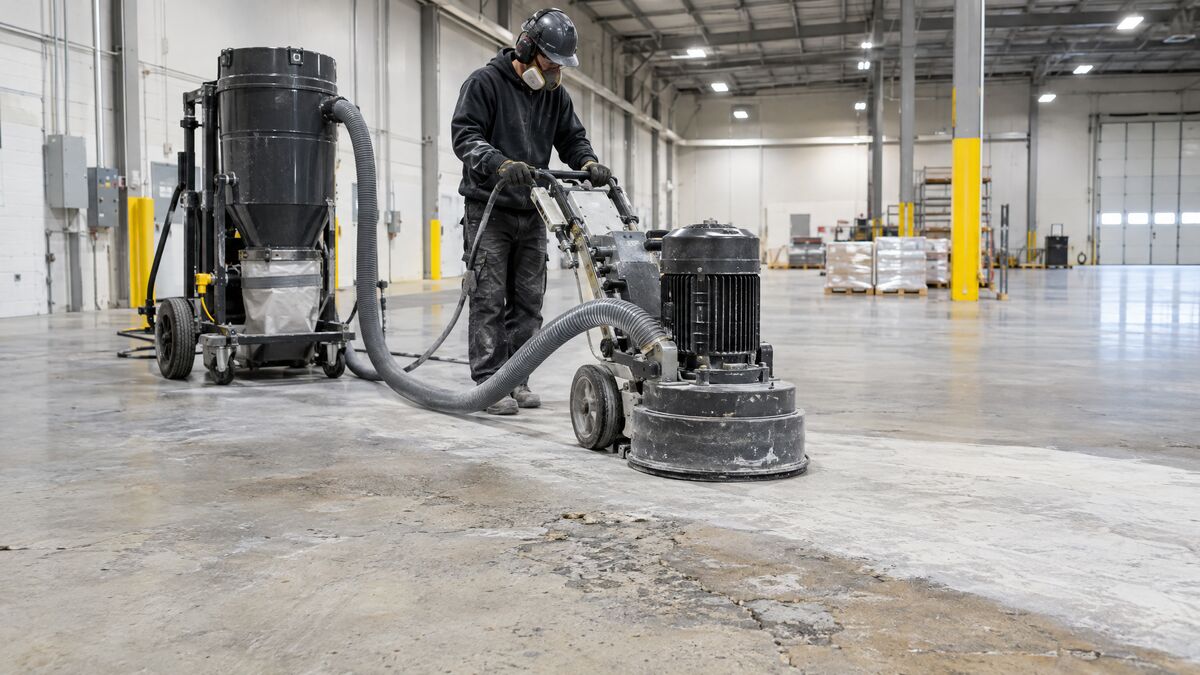
Surface preparation is one of the biggest factors in the final price.
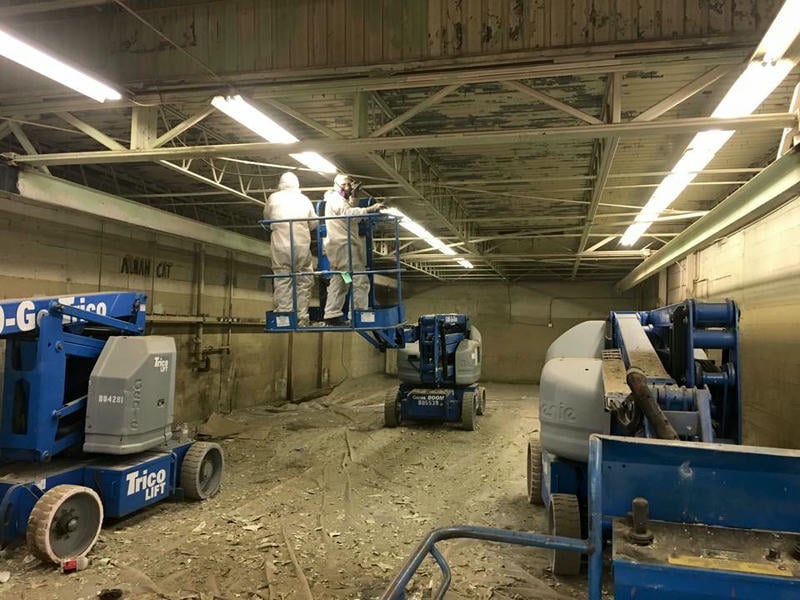
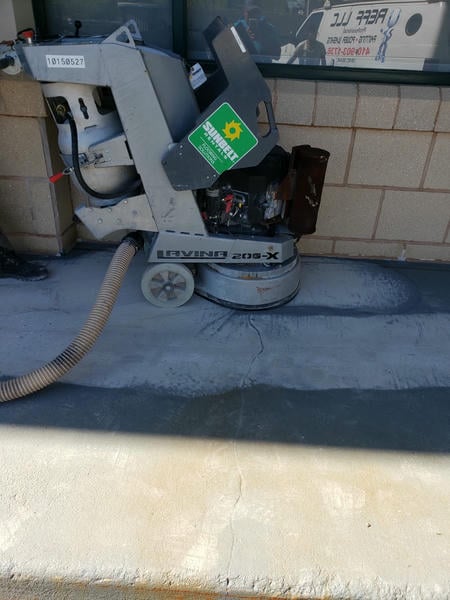
A floor in good condition may only need cleaning and grinding. A floor with cracks, holes, uneven areas, oil stains, or old coatings will require more work before epoxy can be applied.
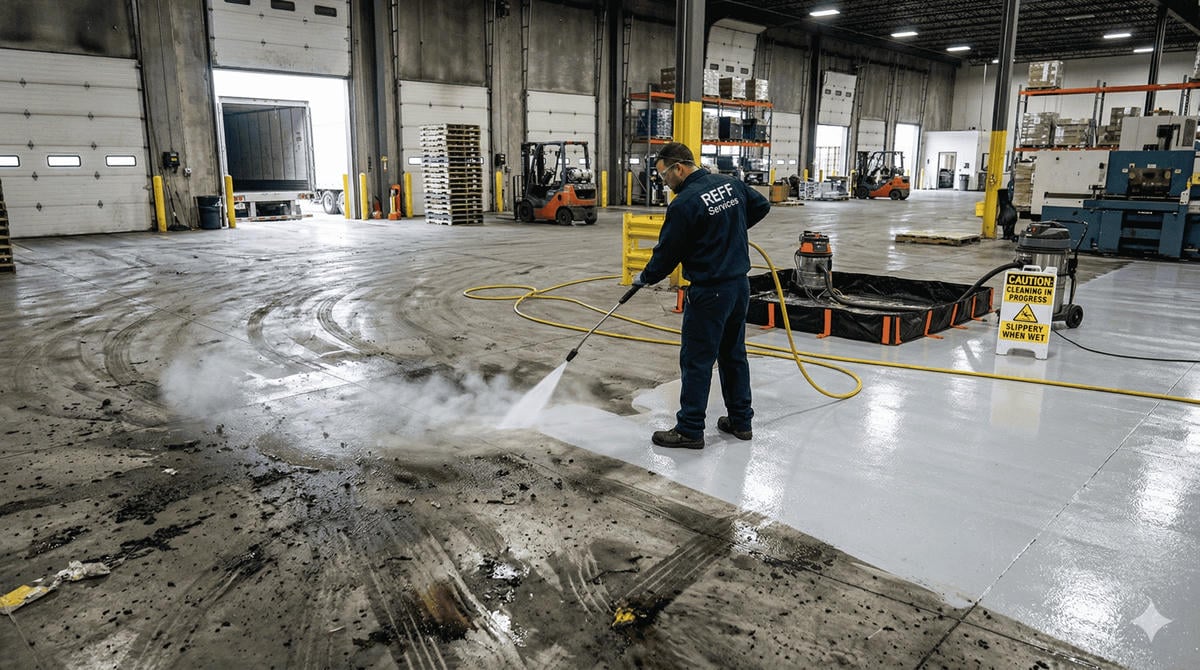
Existing coatings may need to be removed completely. Damaged concrete may need patching or leveling. These steps add time and cost, but they are necessary for the new floor to bond properly and last.
Concrete can hold moisture, especially in slabs without proper vapor barriers.
Too much moisture can cause epoxy to bubble, peel, or lose adhesion. If testing shows high moisture levels, a moisture mitigation system may be needed before the epoxy is installed.
This adds to the upfront cost, but it helps prevent expensive failures later.
Not every epoxy floor is the same. Common options include:
Thicker, heavier-duty systems generally cost more, but they are designed for tougher conditions. The right choice depends on traffic, equipment, chemicals, and cleaning requirements.
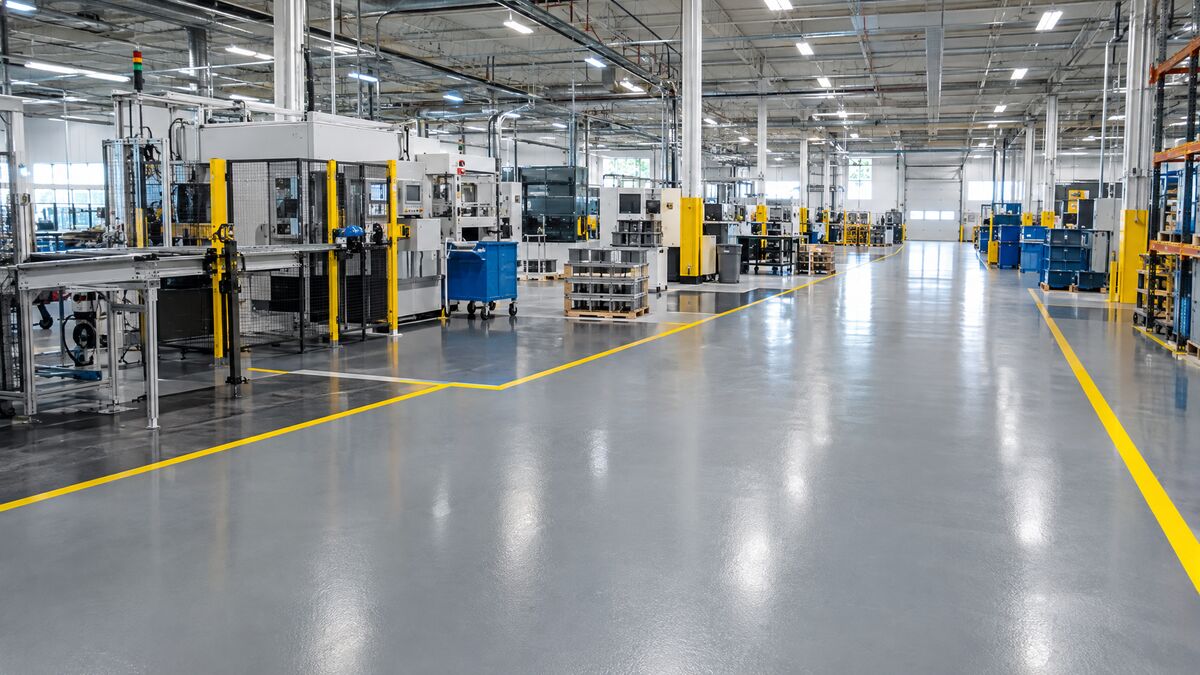
Extra features can improve safety and function but will also affect the price.
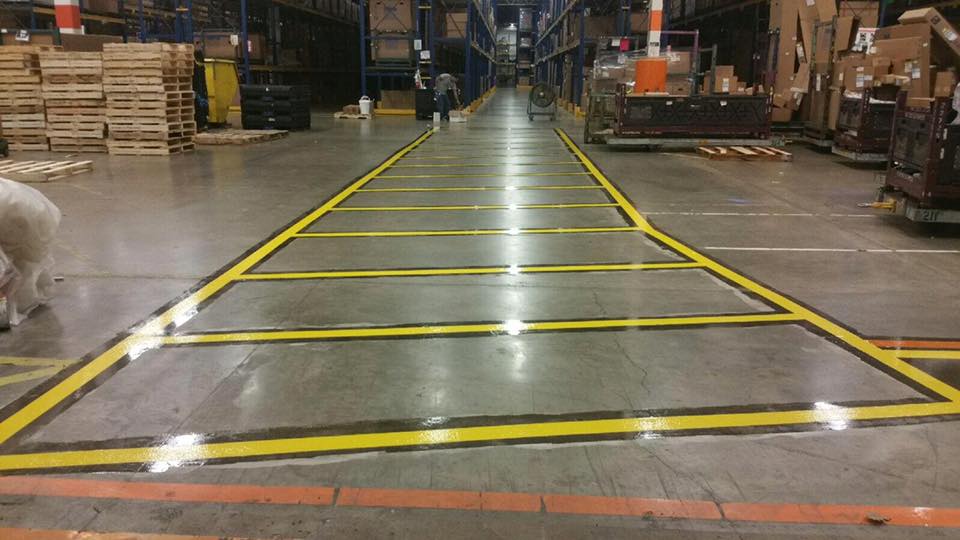
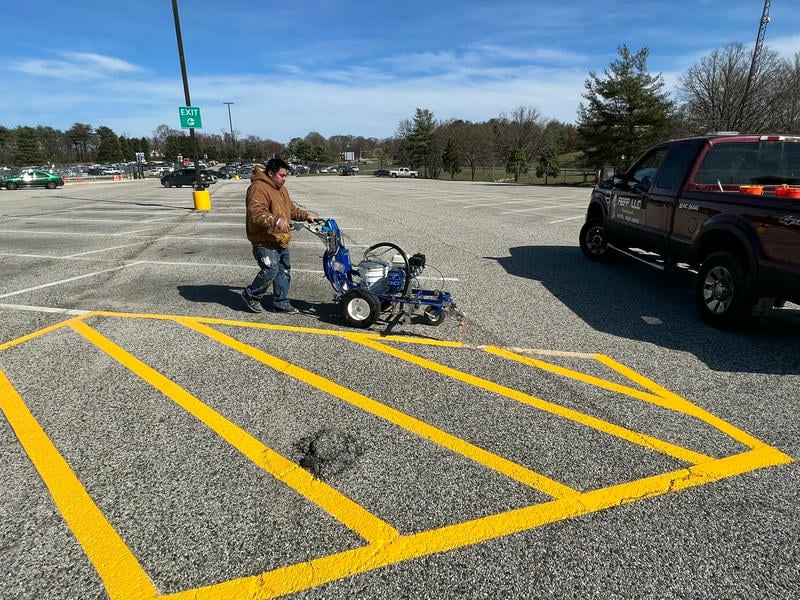
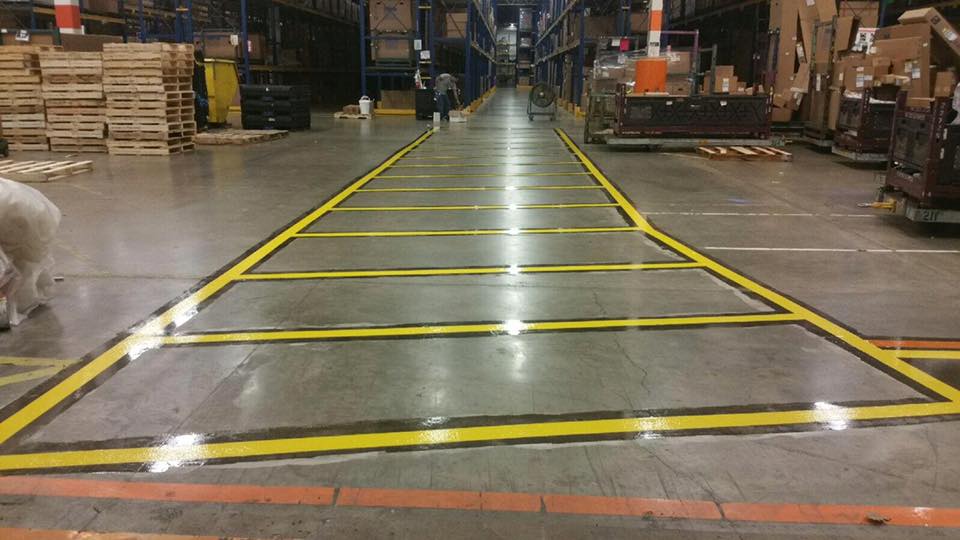
These may include slip-resistant textures, safety lines, color-coded zones, cove bases along walls, and custom colors. Many facilities find these options worthwhile because they reduce the need for separate projects later.
Projects that must be completed during nights, weekends, or planned shutdowns may cost more because of labor scheduling.
Dividing the floor into phases can also affect the price, since the crew may need to set up and prepare several times. At the same time, this approach may save the facility money by reducing downtime.
Clear access to the work area helps the project move more efficiently.
The lowest estimate is not always the best value. A floor installed with poor preparation or the wrong system may fail early, leading to repairs, downtime, and replacement costs.
A properly installed epoxy floor can protect the concrete, reduce maintenance, and improve safety for years. That long-term value should be part of the decision.
The best way to understand the cost of your project is through a site assessment. A qualified contractor should inspect the concrete, test for moisture, ask how the space is used, and explain which system they recommend and why.
REFF Services provides industrial and commercial epoxy flooring throughout Baltimore and surrounding Maryland communities.
Share this post: