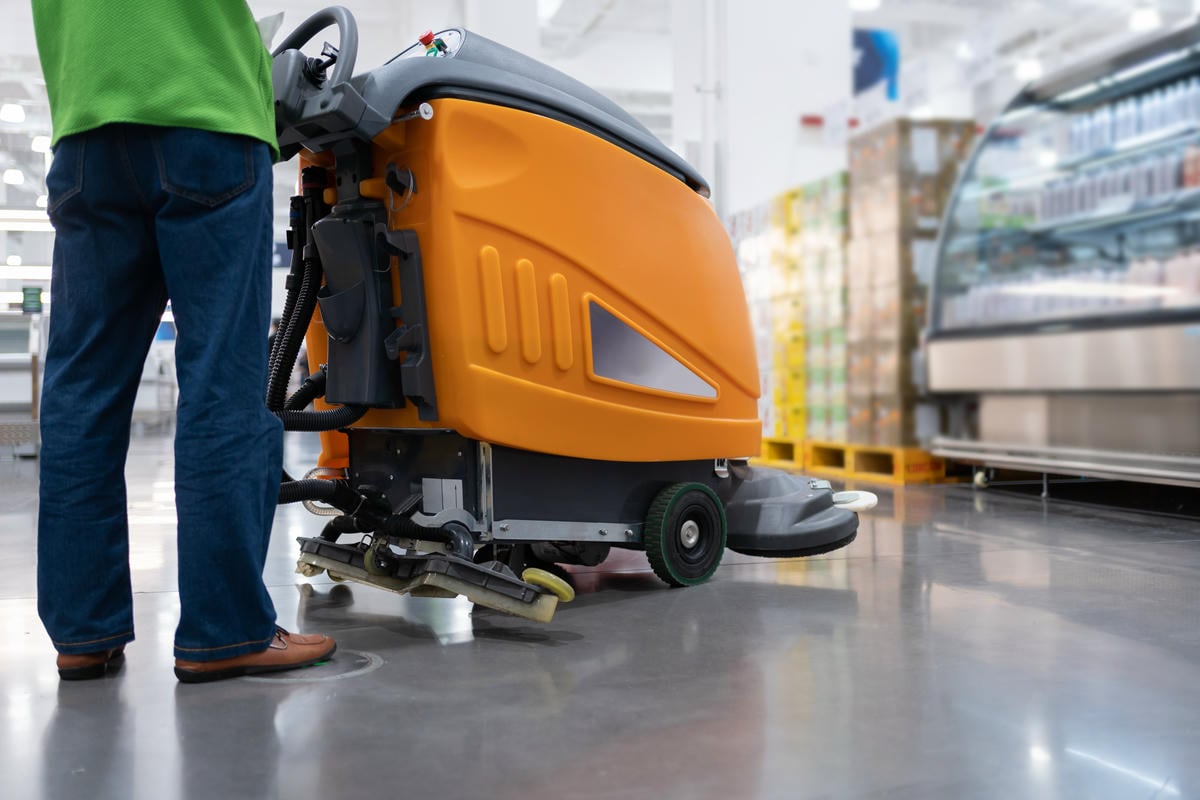
Industrial spaces get dirty very fast. Warehouses and facilities can quickly become dangerous or worn down because of oil drips, heavy equipment traffic, dust accumulation, mold, food residue, or general grime.
Those problems not only affect how the place looks but also employee safety, regulatory compliance, equipment lifespan, and even how clients perceive your operation.
It's important to know that industrial cleaning services are not limited to basic janitorial services; it's facility-grade cleaning designed for high-traffic, heavy-duty commercial and industrial environments.
The effectiveness of an industrial cleaning process starts with contractors identifying high-risk areas such as loading docks, walkways, mechanical zones, dumpster pads, and high-traffic concrete surfaces.
You won't need to worry about your operations being interrupted because scheduling is coordinated around it. Cleaning services are performed during off-hours or weekends.
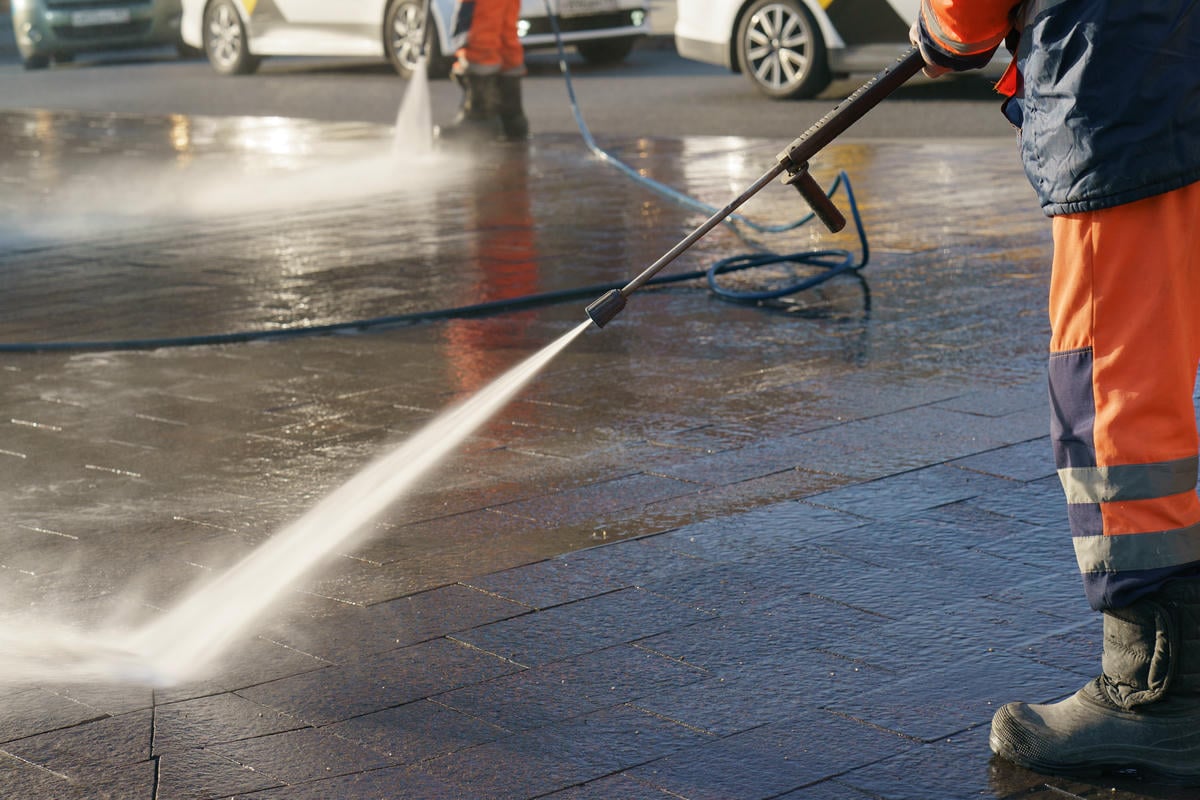
Pressure washing, usually with hot water, is commonly used to clean concrete floors, sidewalks, dock areas, parking lots, and building facades. This removes grease, algae, mildew, gum, tire marks, and deeply embedded staining.
Properly cleaning surfaces reduces slipping risks while also giving your place a clean look.
Chemical treatments are often needed when cleaning industrial environments, especially when trying to eliminate oil stains, food processing residue, and industrial buildup.
Professional contractors match detergents to both the surface and the contaminant, which is crucial because using the wrong chemical can cause damage or fail to remove buildups.
In many jurisdictions, wastewater cannot simply flow into storm drains. Industrial cleaning providers may use containment berms, vacuum recovery systems, and proper disposal methods to comply with environmental regulations.
By using these practices, your business will be safe from fines and maintain compliance with local and state requirements.
Results are always verified after the cleaning process is completed. Before and after photo comparisons and service notes help determine the process's success. Based on your demands, a maintenance schedule may be recommended to you.
Loading zones and high-traffic walkways can present slipping risks because of grease, algae, and debris. These hazards are significantly reduced by industrial cleaning.
Clean facilities are easier to maintain to site standards and are more prepared for inspections, audits, or client visits, while also signaling professionalism and operational discipline.
The state and durations of many assets can be affected by dirt and buildup. Routine cleaning helps extend the life of materials and reduces long-term repair costs.
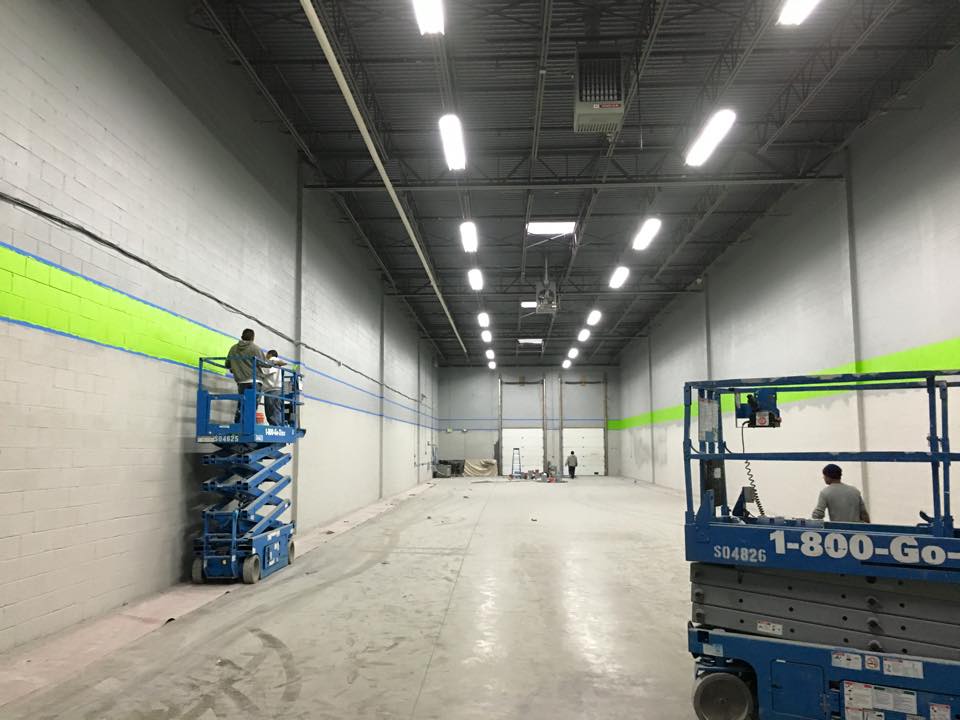
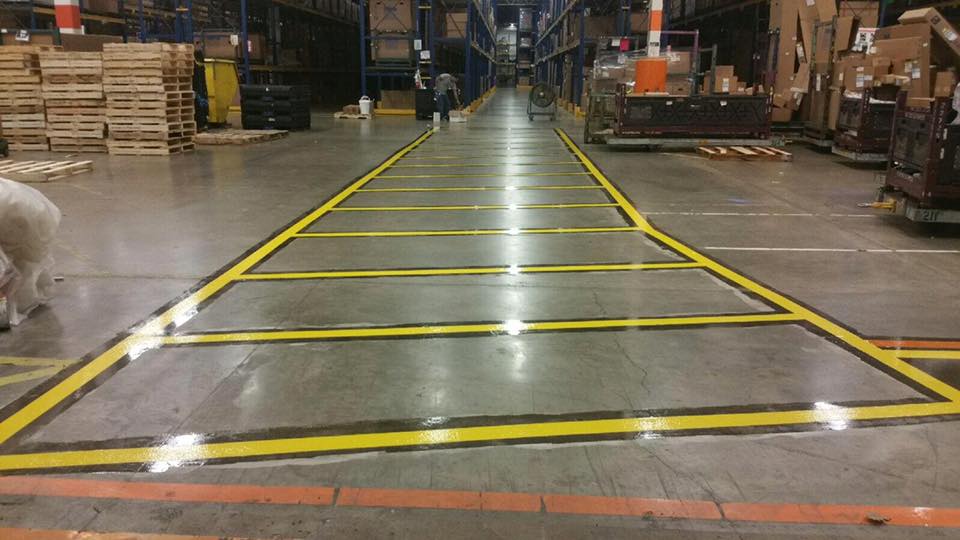
Industrial cleaning is necessary before some processes like painting, epoxy flooring installation, or striping, which require clean surfaces to have better quality and durability.
Frequency depends on usage, but many facilities benefit from monthly, quarterly, or biannual service schedules
Make sure to choose a provider with experience in industrial or commercial environments. Look for strong safety practices, proper PPE, and site controls. The contractor must provide clear documentation and be available to work off-hours to minimize disruption in the workplace.
If your facility is located in Baltimore or nearby counties, consider requesting a professional site assessment from REFF Services to evaluate your cleaning needs and receive a detailed quote tailored to your operation.
Share this post: